Your cart is empty
Start shopping to add items to your cart
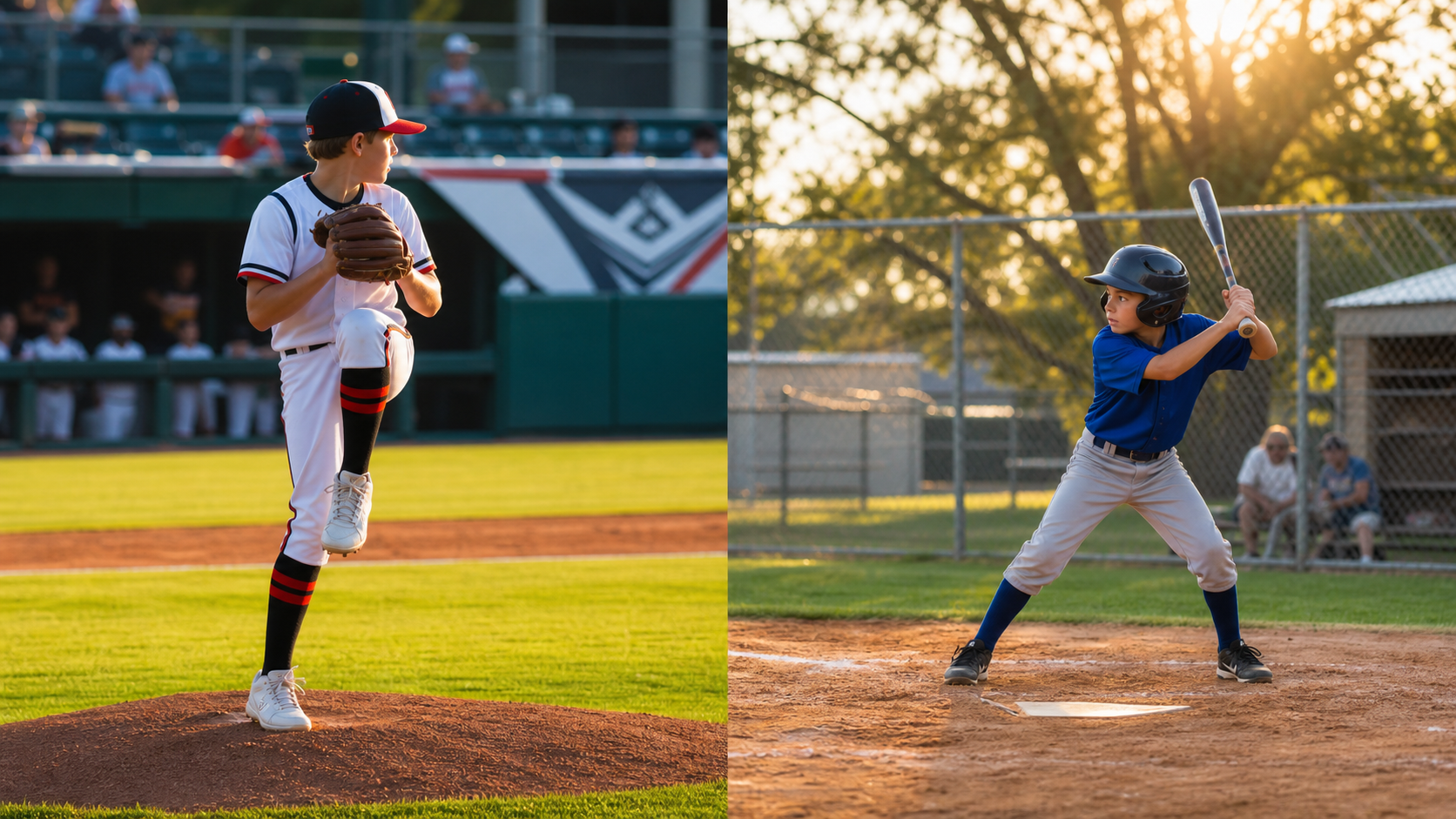
Cost, competition, time commitment, and development — a side-by-side comparison to help you decide
Turn2 Team
Turn2 Threads Team
Every youth baseball parent faces this decision: should my kid play travel ball or stick with rec league? The answer isn't the same for every family. Travel ball offers better competition and coaching but costs thousands more and takes over your weekends. Rec ball is affordable and low-pressure but may not challenge your kid enough.
This guide breaks down the differences honestly — cost, competition, time commitment, coaching, development, and the social experience — so you can make the right call for your family.
The Bottom Line Up Front
Travel baseball costs $3,000-$15,000+ per season and requires a major time commitment. Rec ball costs $100-$300 per season and is much more flexible. Travel ball is better for competitive, skilled kids who want to play at a higher level. Rec ball is better for kids who want to have fun, learn the game, and keep their weekends free. Many families do both — rec ball in the spring and travel ball in the summer.
| Category | Rec Ball | Travel Ball |
|---|---|---|
| Cost | $100-$300 per season | $3,000-$15,000+ per season |
| Season Length | 8-12 weeks (spring or fall) | 6-9 months (spring through fall) |
| Games per Season | 12-20 | 40-70+ |
| Practices per Week | 1-2 | 2-3 |
| Travel Required | Local (same town) | Regional or national |
| Weekend Commitment | 1 game per week | Full weekends (2-4 games) |
| Coaching | Parent volunteers | Paid professionals |
| Competition Level | Mixed skill levels | High (tryout-based) |
| Playing Time | Equal (all kids play) | Merit-based |
| College Exposure | None | Possible (showcase level) |
| Equipment Needed | Basic (glove, cleats, bat) | Premium (multiple bats, position-specific gloves) |
Rec ball: $100-$300 per season. This covers the uniform, insurance, field rentals, and umpires. Equipment is minimal — a glove, cleats, and a bat. Total annual cost: $200-$500.
Travel ball: $3,000-$15,000+ per season. Team fees, tournament entry fees, travel, lodging, meals, equipment, private lessons, indoor facility rentals. Total annual cost: $5,000-$20,000.
The difference: Travel ball costs 10-50x more than rec ball. For many families, that's the deciding factor. If the cost is a stretch, rec ball is a perfectly good option.
Rec ball: Teams are formed by draft or assignment. Skill levels range from beginners to advanced. Games are less competitive. The focus is on participation and fun.
Travel ball: Teams are formed by tryout. Every player has above-average skills. Games are highly competitive. The focus is on winning and development.
The difference: If your kid is the best player on their rec team, they're probably not being challenged enough. Travel ball will push them harder. If your kid is average or below in rec ball, travel ball will be overwhelming.
Rec ball: 1-2 practices per week, 1 game per week. Season is 8-12 weeks. Weekends are mostly free. You can still do other activities.
Travel ball: 2-3 practices per week, 2-4 games per weekend. Season is 6-9 months. Weekends from March through October are booked. Other activities are difficult to schedule.
The difference: Travel ball is a lifestyle, not a hobby. If your kid plays other sports, has academic commitments, or your family values free weekends, rec ball is the better choice.
Rec ball: Coaches are parent volunteers. Some are excellent. Some are learning the game alongside their kids. Training and experience vary widely.
Travel ball: Coaches are typically paid professionals with baseball backgrounds — former college players, high school coaches, or experienced instructors. They have formal training and a development plan.
The difference: Travel ball coaches are almost always better. But a great rec ball coach who cares about your kid can be just as valuable as a paid travel coach.
Rec ball: Development happens at practice, but the focus is on making sure everyone has fun. Advanced players may not get the coaching they need to improve.
Travel ball: Development is the primary focus. Players get specialized instruction, face better competition, and play more games. The best travel programs have a clear development pathway from 8U through high school.
The difference: If your kid wants to play in high school and beyond, travel ball provides a much better development environment. If your kid just wants to play for fun, rec ball is fine.
Rec ball: Kids play with friends from school and neighborhood. The social aspect is casual and low-pressure. Parents know each other from the community.
Travel ball: Kids play with teammates from multiple towns and schools. They spend entire weekends together — games, hotel pools, team dinners. The bonds are often stronger, but the social circle is narrower.
The difference: Travel ball creates intense team bonds because of the shared experience. But it can also be isolating — your kid's closest friends might live 45 minutes away.
Most families make the switch between 8U and 10U. Here are the signs your kid is ready:
Parent tip: Don't rush it. Many kids aren't ready for travel ball at 8U. Starting at 10U or 12U is perfectly fine. The best players at 14U aren't always the ones who started travel ball earliest.
Yes — many families do both. The most common approach:
Parent tip: If you do both, communicate with both coaches. Make sure the rec coach knows your kid has travel commitments, and make sure the travel coach knows your kid values rec league time with school friends.
Check out our Travel Baseball Cost Guide for a complete budget breakdown, and our Tournament Terms Dictionary to understand what you're signing up for.
Shop Turn2 Threads Gear →Most kids start between 8U and 10U. Starting earlier (7U-8U) can give them a head start, but it's not necessary. Many excellent high school players didn't start travel ball until 12U. Focus on readiness, not age.
For most college programs, yes — especially at the Division I level. College scouts attend travel ball showcases and tournaments, not rec league games. However, there are exceptions. A player who dominates at a high school with a strong program can still get noticed.
Yes, but it's challenging. The schedules can conflict, and your kid may get burned out. Many families do rec ball in the spring and travel ball in the summer. Communicate with both coaches to avoid conflicts.
It's not the end of the world. Many great players didn't make their first travel team. Use it as motivation. Keep practicing, get private lessons if you can, and try out again next season. Rec ball is still a great place to develop fundamentals.
Ask yourself: does my kid love baseball enough to practice on their own? Are they the best player on their rec team? Are they willing to give up other activities? Can our family afford the time and money? If the answer to most of these is yes, they're probably ready.
$24.99
$24.99

$54.99
Whether you're in the dugout or the stands, Turn2 Threads has the gear to match your baseball lifestyle. Check out our latest drops.
Join our newsletter for gear guides, tournament tips, and exclusive drops from Turn2 Threads.
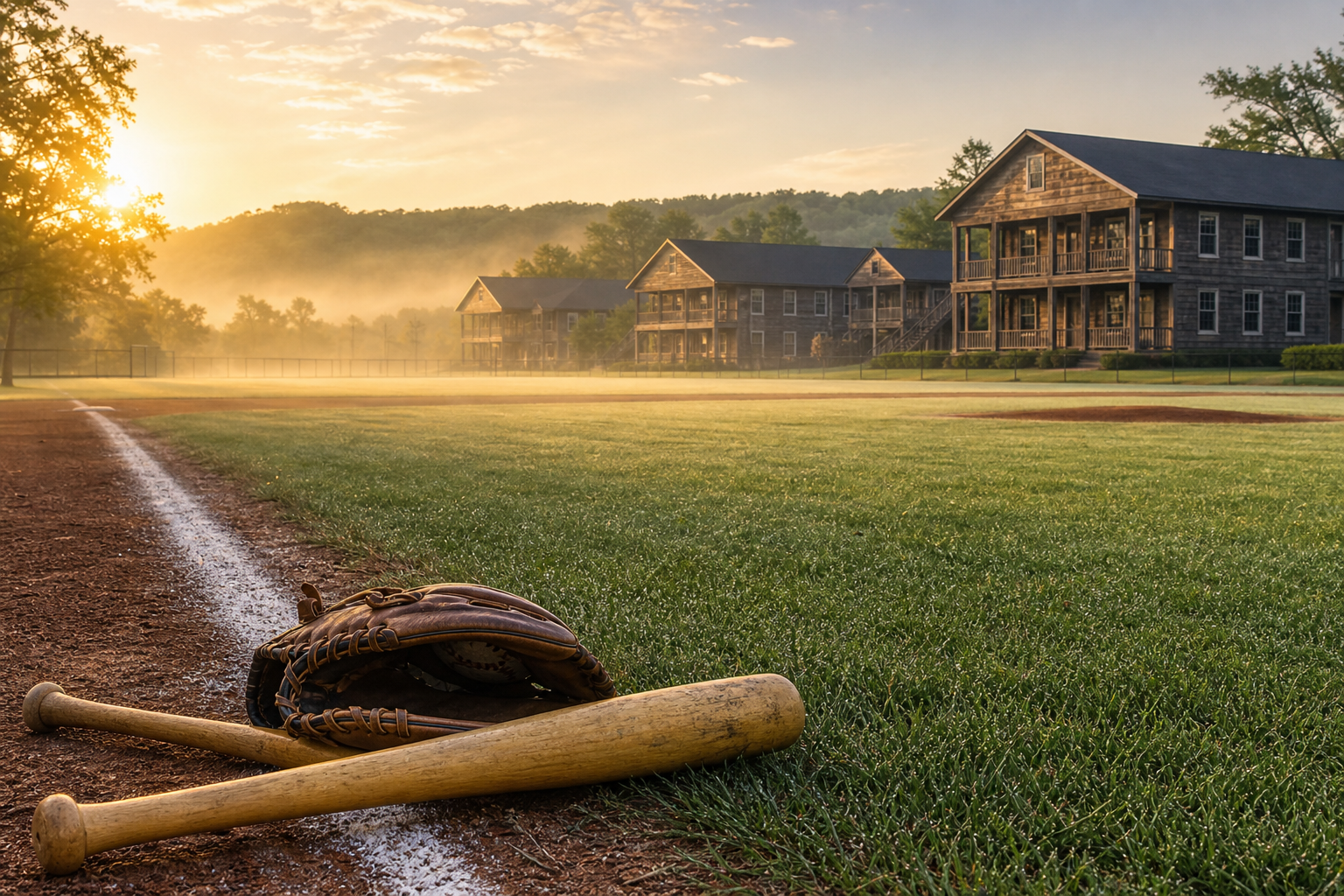
The official Cooperstown Dreams Park packing list tells you how many baseball pants to bring. It does not tell you about the group showers, the walking, or the fact that your kid will trade away his best pin on day one. Here's the packing list written by families who have already been.
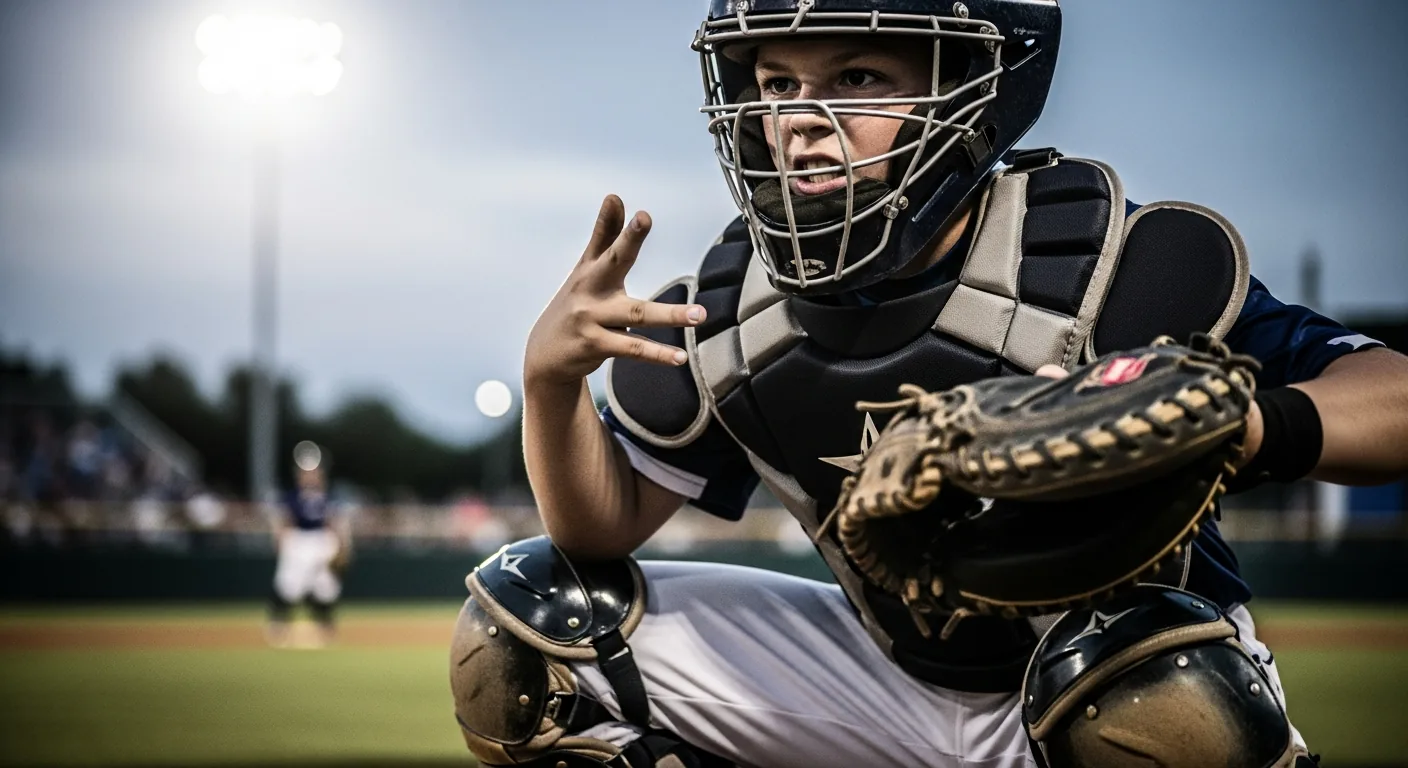
Confused when your kid talks about hitting tanks, throwing cheese, or rocking lettuce? This baseball slang dictionary helps travel ball parents understand the language of youth baseball in 2026.
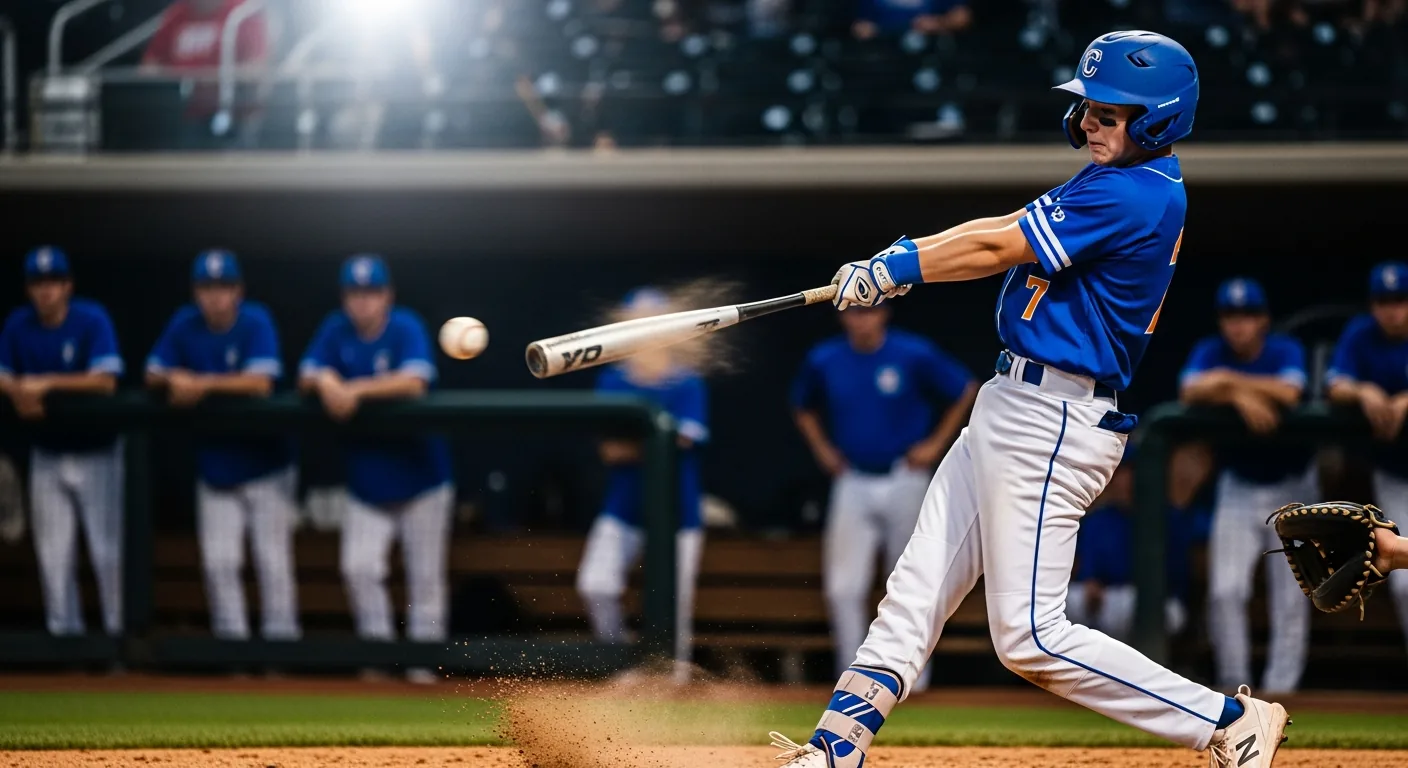
From dingers to tanks to nukes, here's what today's young hitters are saying and why exit velocity is everything.