Your cart is empty
Start shopping to add items to your cart
Inside the Language of Today's Youth Power Hitters
Turn2 Team
Turn2 Threads Team
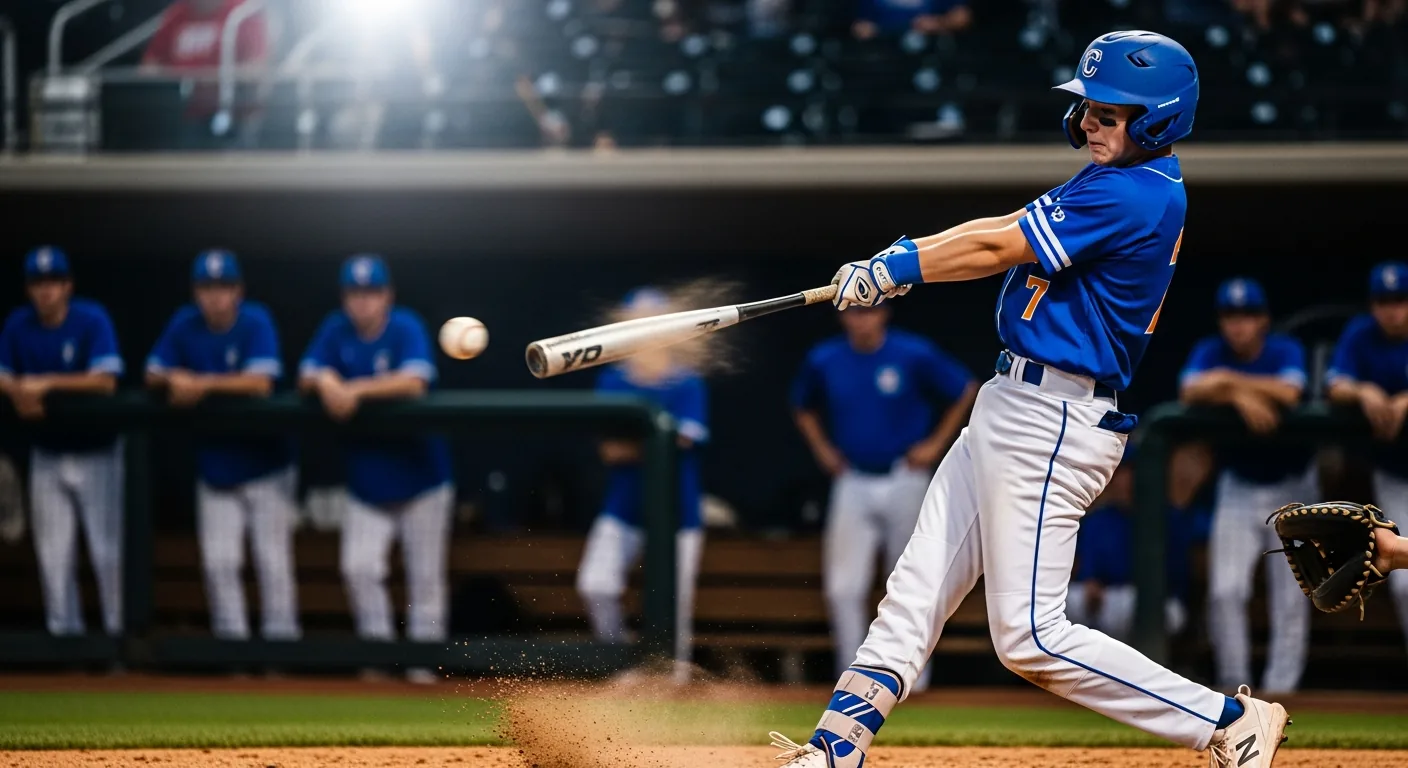
Walk into any youth baseball facility in 2026 and you'll hear it: players talking about hitting tanks, nuking the ball, and barreling up dingers. Power hitting has become the obsession of young players everywhere—and with it, a whole new vocabulary has emerged.
This is a culture shift in how young players think about hitting, influenced by MLB's focus on launch angle and exit velocity, and amplified by content creators who've made power hitting the goal.
Today's young hitters have dozens of ways to describe hitting the ball hard. Here are the most popular terms you'll hear:
The classic. A home run. Still the most popular term among all age groups.
A home run, specifically used when talking about hitting with power. "Hit tanks" has become a mantra.
Crushing the ball with maximum force. Can be any hard-hit ball, not just homers.
A home run hit for serious distance. Emphasis on how far it traveled.
A screaming line drive with no arc—like a rope stretched tight through the air.
Perfect contact with the sweet spot. From MLB's "barrel" statistic measuring optimal contact.
The power hitting obsession among youth players has several sources:
MLB's Analytics Revolution: Major League Baseball's embrace of Statcast data—particularly exit velocity and launch angle—has filtered down to youth levels. Young players now talk about "exit velo" like it's the only stat that matters.
YouTube Content Creators: Channels like Baseball Bat Bros have made content around hitting bombs hugely popular. Their language—"hitting tanks," "nuking the ball"—has become part of everyday youth baseball vocabulary. When kids watch content celebrating massive home runs, they naturally adopt that language.
Home Run Derby Culture: The MLB Home Run Derby has become appointment viewing for young players. Watching pros compete to hit the longest homers reinforces the idea that power is king.
THE EXIT VELO OBSESSION
Today's youth players know their exit velocity numbers like they know their batting average. Training facilities advertise "increase your exit velo!" and young hitters chase higher numbers. While the focus on hard contact isn't inherently bad, coaches remind players that hitting is about more than just power—timing, approach, and situational hitting still matter.
Beyond the basic terms, here's the full vocabulary young power hitters use:
Power hitting culture is as much about the celebration as the swing. The bat flip has become a lightning rod in baseball. Young players love it; traditionalists hate it. But there's no denying it's become part of the power hitting identity.
Players describe their celebrations with terms like "sauce" (style and confidence) and "swagger." A well-executed bat flip after a big home run is considered having serious sauce.
While power hitting culture is exciting, experienced coaches emphasize balance. The best hitters combine power potential with:
The vocabulary reflects this too—terms like "barrel it up" emphasize quality contact over just swinging hard, and "oppo taco" celebrates the skill of going the other way.
REP THE POWER HITTING CULTURE
Show your love for the long ball with gear that matches your game. Shop Turn2 Threads for premium youth baseball apparel designed for players who love to hit. Every purchase supports travel ball families.
Want to decode more baseball lingo? Check out our complete Baseball Slang Dictionary with 50+ terms every parent should know.
$34.99
$34.99
$24.99
Whether you're in the dugout or the stands, Turn2 Threads has the gear to match your baseball lifestyle. Check out our latest drops.
Join our newsletter for gear guides, tournament tips, and exclusive drops from Turn2 Threads.

The official Cooperstown Dreams Park packing list tells you how many baseball pants to bring. It does not tell you about the group showers, the walking, or the fact that your kid will trade away his best pin on day one. Here's the packing list written by families who have already been.

Confused when your kid talks about hitting tanks, throwing cheese, or rocking lettuce? This baseball slang dictionary helps travel ball parents understand the language of youth baseball in 2026.
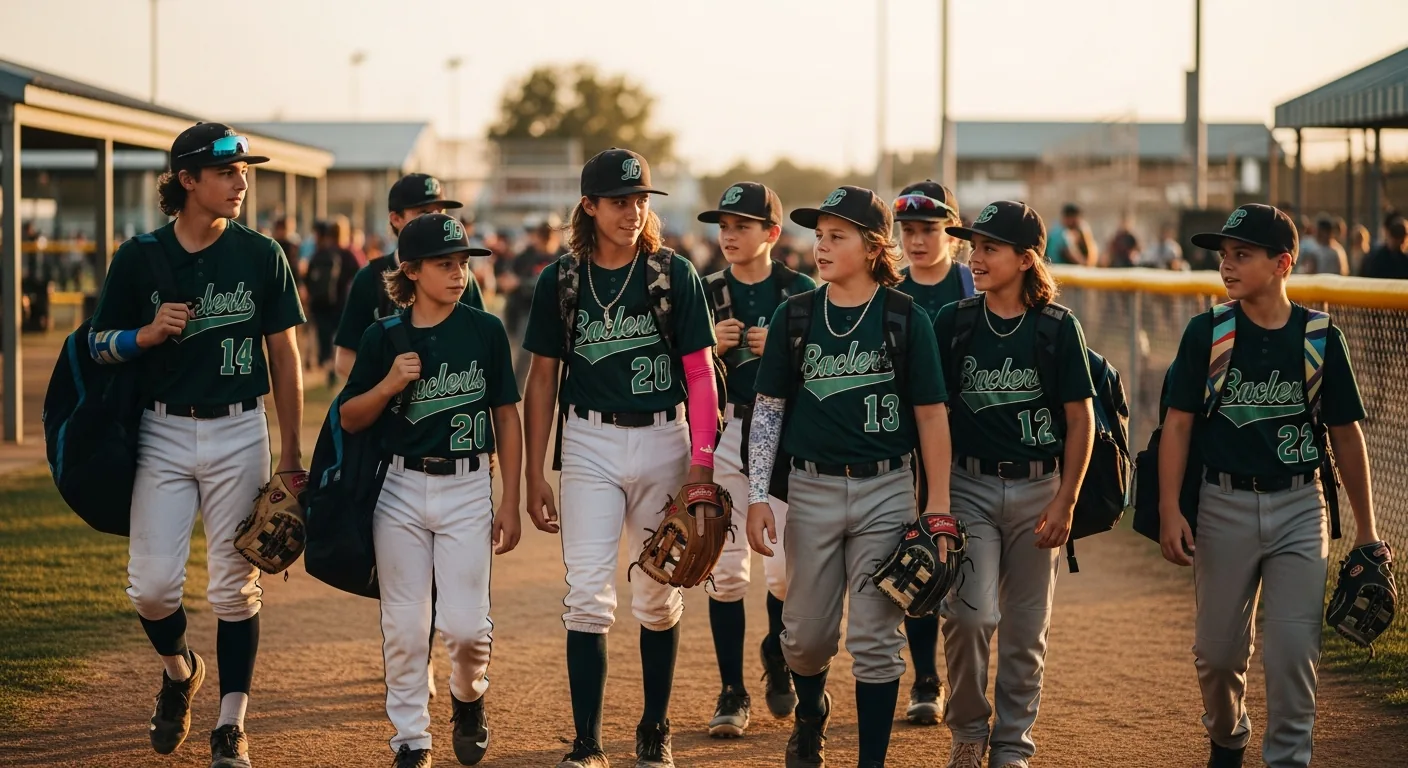
Today's young baseball players care about style as much as stats. Here's how travel ball culture has evolved and why looking good is part of playing good.