

Your cart is empty
Start shopping to add items to your cart

Decode every gear term — from bat drop to cupped end — so you buy the right equipment
Turn2 Team
Turn2 Threads Team
Buying baseball equipment for your kid can feel like learning a second language. Bat drop, barrel size, BBCOR, USA vs USSSA, composite vs alloy, I-web vs H-web — the terms pile up fast, and getting it wrong means buying the wrong gear.
This guide decodes every equipment term so you can walk into any store (or open any website) and know exactly what you're looking at.
Definition: The difference between a bat's length in inches and its weight in ounces. A 30-inch, 20-ounce bat has a -10 drop. A 32-inch, 29-ounce bat has a -3 drop.
Formula: Length (inches) - Weight (ounces) = Drop
What it means: A higher negative number (like -12) means a lighter bat. A lower negative number (like -3) means a heavier bat. Lighter bats are easier to swing but have less power. Heavier bats have more power but are harder to swing.
Age guidelines:
Parent tip: Don't buy a bat that's too heavy. A lighter bat swung faster produces better results than a heavy bat swung slow. If your kid is struggling to catch up to fastballs, the bat is probably too heavy.
Definition: The diameter of the bat barrel, measured in inches. Youth bats typically have 2 1/4" or 2 5/8" barrels. BBCOR bats have 2 5/8" barrels.
Why it matters: A larger barrel means a bigger sweet spot — more room for error. But larger barrels are heavier and harder to swing. Smaller barrels are lighter and faster but less forgiving.
Parent tip: For 8U-10U players, a 2 1/4" barrel is standard. For 11U+, 2 5/8" is more common. Check your league's rules — some limit barrel size.
Flared Knob: A wider, more ergonomic knob that helps the bottom hand stay in place. Common on modern bats. Reduces the chance of the bat slipping out of the hands.
Traditional Knob: The classic round knob. Some players prefer the feel. Less ergonomic but familiar.
Knob Guard: A plastic or rubber attachment that protects the top hand from being hit by the ball on a check swing. Required in some leagues.
Parent tip: Flared knobs are standard on most modern bats. If your kid is between sizes, a flared knob can help with grip comfort.
End Cap: The plastic or composite piece at the end of the bat barrel. It seals the bat and affects weight distribution. Some end caps are designed to reduce weight at the end of the bat.
Cupped End: A concave indentation at the end of the barrel that removes weight from the very end of the bat. This makes the bat feel lighter and easier to swing without changing the barrel length.
Parent tip: Cupped-end bats are standard in most youth and adult bats. They help with swing speed without sacrificing barrel length.
One-Piece: The bat is made from a single piece of material (alloy or composite). Stiffer feel, more feedback on mishits, more power on contact. Preferred by power hitters.
Two-Piece: The handle and barrel are separate pieces connected by a joint or vibration dampener. More forgiving on mishits, less vibration, smoother feel. Preferred by contact hitters.
Parent tip: For younger players (8U-12U), two-piece bats are generally better because they reduce vibration and are more forgiving. For older players (13U+), one-piece bats offer more power.
Composite: Made from carbon fiber and resin. Lighter, more durable, larger sweet spot, less vibration. More expensive. Requires a break-in period (50-100 hits).
Alloy (Aluminum): Made from aluminum alloy. Stiffer, more feedback, no break-in period, less expensive. Preferred by players who want consistent feel from day one.
Wood: Made from ash, maple, or birch. Used in MLB and some high school leagues. Less forgiving, smaller sweet spot, but traditional feel. Required in some wood-bat tournaments.
Parent tip: For 8U-12U, alloy bats are a great value — no break-in, consistent performance, lower price. For 13U+, composite bats offer better performance but cost more. Wood bats are for training and specific tournaments.
Definition: The standard for high school and college baseball bats. BBCOR bats must have a -3 drop and meet strict performance limits to ensure the ball doesn't come off the bat too fast.
Why it matters: BBCOR is required for all high school (NFHS) and NCAA baseball. If your kid is in 9th grade or above, they need a BBCOR bat. No exceptions.
Parent tip: BBCOR bats are heavier (-3 drop) and have less pop than youth bats. Your kid will need time to adjust. Don't expect them to hit the same way they did with a -10 youth bat.
Definition: The standard for youth baseball bats used in Cal Ripken, Babe Ruth, Little League, and most rec leagues. USA bats have a "USA Baseball" stamp and are designed to perform more like wood bats.
Why it matters: USA bats are required in most recreational leagues. They have less pop than USSSA bats, which makes the game safer for younger players.
Parent tip: If your kid plays in Little League or a rec league, they need a USA bat. USSSA bats are NOT allowed in USA Baseball leagues.
Definition: The standard for travel baseball bats used in USSSA tournaments. USSSA bats have a "USSSA 1.15 BPF" stamp and have more pop than USA bats.
Why it matters: USSSA bats are hotter (more trampoline effect) than USA bats. They're designed for competitive travel ball where players are stronger and more skilled.
Parent tip: If your kid plays travel ball, they likely need a USSSA bat. But check your tournament rules — some tournaments allow both USA and USSSA bats, while others require one or the other.
NSA (National Softball Association): A sanctioning body that also certifies baseball bats. NSA bats have their own stamp and are used in NSA tournaments.
ISA (Independent Softball Association): Another sanctioning body with its own bat certification. Less common than USSSA or USA.
Parent tip: Most travel ball tournaments use USSSA or USA bats. NSA and ISA are less common. Check your tournament's rules before buying a bat with only an NSA or ISA stamp.
Definition: Glove size is measured in inches from the top of the index finger to the heel of the glove. Common sizes: 9" (toddler), 10-11" (youth), 11.25-11.5" (infield), 11.5-12" (outfield), 12-13" (first base).
Age guidelines:
Parent tip: Don't buy a glove that's too big. A glove that's too large is harder to close and control. Your kid will struggle to catch the ball. Buy a glove that fits their hand, not one they'll "grow into."
I-Web: A vertical strip of leather with openings on each side. Popular with infielders because it allows them to see through the glove. Good for quick transfers.
H-Web: An H-shaped web with two vertical strips and a horizontal strip. The most common web pattern. Good for all positions. Provides a good balance of visibility and support.
Basket Web: A woven web that looks like a basket. Very durable. Popular with pitchers who want to hide their grip. Also good for outfielders who want a secure catch.
Trapeze Web: A six-finger web that's larger and more flexible. Popular with outfielders who need a larger catching surface. Also called a "trap" web.
Parent tip: For youth players, an H-web or basket web is the best all-around choice. I-webs are better for infielders who need quick transfers. Trapeze webs are for outfielders.
Infield: Smaller glove (11.25-11.75"), shallow pocket, I-web or H-web. Designed for quick transfers and fast glove-to-hand action.
Outfield: Larger glove (12-13"), deep pocket, trapeze or basket web. Designed for catching fly balls and securing the ball.
First Base: Specialized first base mitt (12-13"), no individual fingers, deep pocket. Designed for scooping throws out of the dirt.
Catcher: Specialized catcher's mitt (32-34"), heavily padded, no individual fingers. Designed for catching high-velocity pitches.
Parent tip: For 8U-12U, a single all-purpose glove (11.5-12", H-web) is fine. By 13U+, position-specific gloves make a difference.
Definition: Batting gloves are sized by hand measurement (from base of palm to tip of middle finger). Sizes range from Youth Small (5-6") to Adult XL (8.5-9").
Why it matters: Batting gloves improve grip, reduce vibration, and prevent blisters. A good fit is snug but not tight — like a second skin.
Parent tip: Buy batting gloves that fit now, not for next year. Too-loose gloves cause blisters and reduce grip. Replace them when they wear out — usually every season.
Definition: All baseball helmets must meet NOCSAE (National Operating Committee on Standards for Athletic Equipment) standards. Look for the NOCSAE stamp on any helmet you buy.
Sizing: Measure head circumference just above the eyebrows. Youth: 6 1/2 - 7 (20 1/2" - 22"). Adult: 7 - 7 5/8 (22" - 24").
Parent tip: Never buy a used helmet that's more than 5 years old. NOCSAE standards have improved significantly. A helmet that's too old may not provide adequate protection.
Metal Cleats: Best traction on grass and dirt. Not allowed in most youth leagues (8U-12U) due to safety concerns. Allowed in high school and above.
Molded Cleats (Plastic/Rubber): Standard for youth baseball. Good traction on most surfaces. Safer than metal. Required in most 8U-12U leagues.
Turf Shoes: Flat rubber soles with small nubs. Designed for artificial turf and indoor facilities. Good for practice and training. Not ideal for outdoor games on grass.
Parent tip: For 8U-12U, molded cleats are the only option. For 13U+, check your league's rules on metal cleats. Many high school leagues allow metal, but some tournaments don't.
Bats: Softball bats have larger barrels (2 1/4" is standard) and different certification stamps (ASA, USSSA softball). Baseball bats are NOT interchangeable with softball bats.
Gloves: Softball gloves have larger pockets and longer fingers to accommodate the larger ball (12" vs 9"). A softball glove can be used for baseball in a pinch, but it's not ideal.
Balls: Softballs are 12" circumference and yellow. Baseballs are 9" circumference and white. They are NOT interchangeable.
Parent tip: If your kid plays both baseball and softball, they need separate equipment. Don't use a softball bat for baseball — it's dangerous and illegal.
Check out our Baseball Slang Dictionary for every term you'll hear at the ballpark, and our Obscure Baseball Rules Guide for the weirdest rules in the game.
Shop Turn2 Threads Gear →It depends on age and strength. For 8U-10U, -12 to -10 drop. For 11U-12U, -10 to -8 drop. For 13U-14U, -8 to -5 drop. For high school, -3 drop (BBCOR). A good rule: if your kid can't catch up to fastballs, the bat is too heavy.
USA bats are required in Little League and most rec leagues. They have less pop and perform more like wood bats. USSSA bats are used in travel ball and have more trampoline effect (more pop). USSSA bats are NOT allowed in USA Baseball leagues.
For 5-7 years old: 9-10.5 inches. For 8-10: 10.5-11.5 inches. For 11-13: 11.5-12 inches. For 14+: 11.5-12.75 inches. Don't buy a glove that's too big — it's harder to close and control.
In most 8U-12U leagues, no — metal cleats are not allowed for safety reasons. Molded (plastic/rubber) cleats are standard. In high school and above, metal cleats are typically allowed. Check your league's rules.
Replace when: the bat is outgrown (too short or too heavy), the certification stamp is no longer valid for your league, there are visible cracks or dents, or the bat is more than 3 years old. Composite bats lose performance over time. Alloy bats last longer but can dent.
Whether you're in the dugout or the stands, Turn2 Threads has the gear to match your baseball lifestyle. Check out our latest drops.
Join our newsletter for gear guides, tournament tips, and exclusive drops from Turn2 Threads.

The official Cooperstown Dreams Park packing list tells you how many baseball pants to bring. It does not tell you about the group showers, the walking, or the fact that your kid will trade away his best pin on day one. Here's the packing list written by families who have already been.
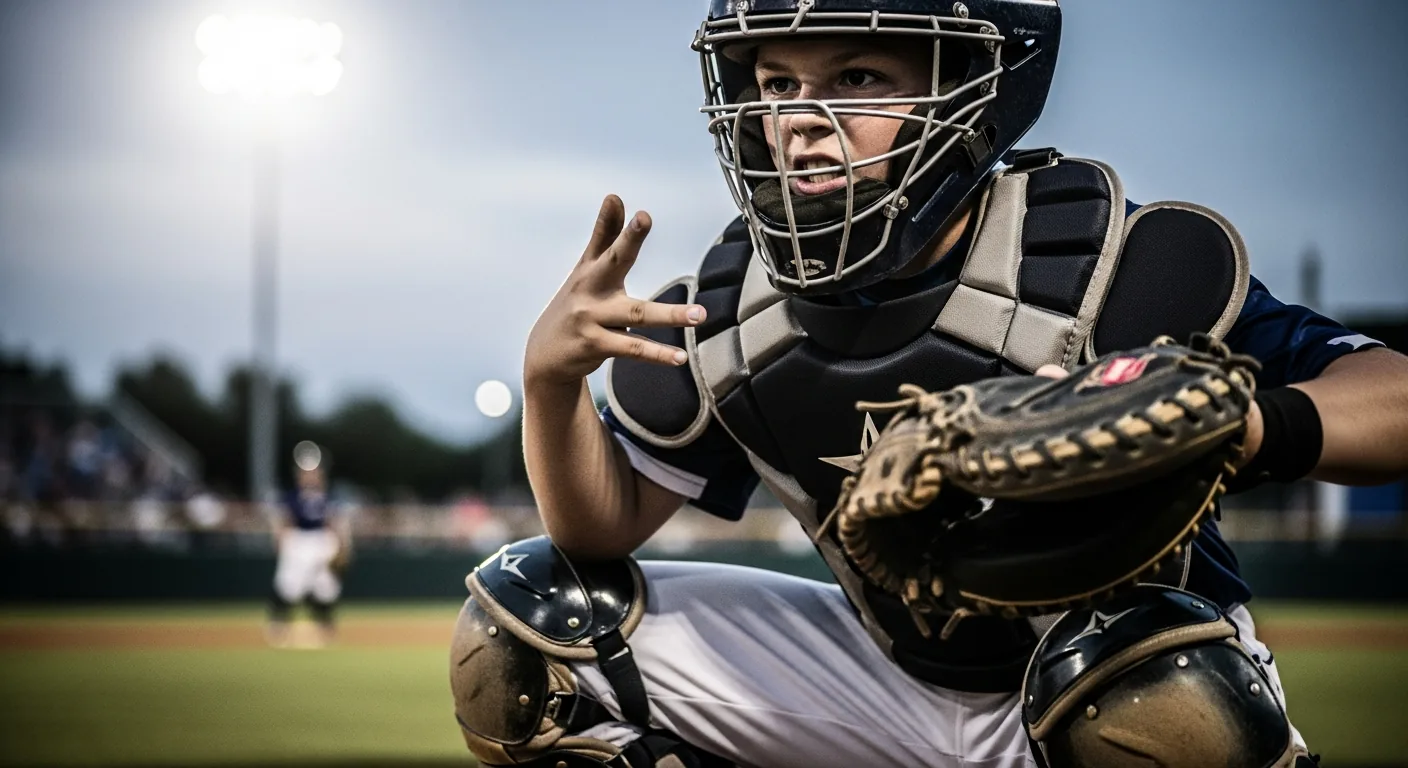
Confused when your kid talks about hitting tanks, throwing cheese, or rocking lettuce? This baseball slang dictionary helps travel ball parents understand the language of youth baseball in 2026.
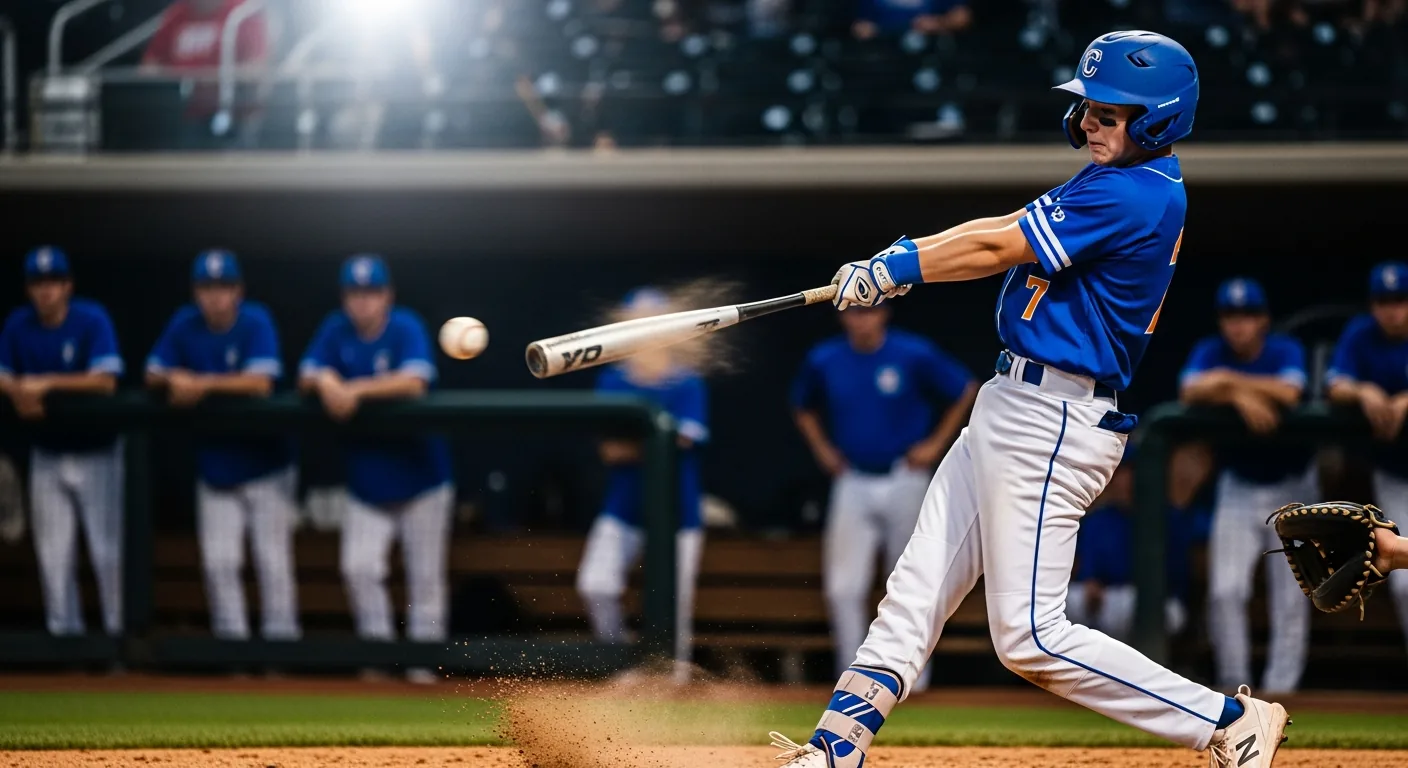
From dingers to tanks to nukes, here's what today's young hitters are saying and why exit velocity is everything.