Your cart is empty
Start shopping to add items to your cart
Understanding Baseball's Most Exciting Defensive Play—And Why It Inspired Our Brand
Turn2 Team
Turn2 Threads Team
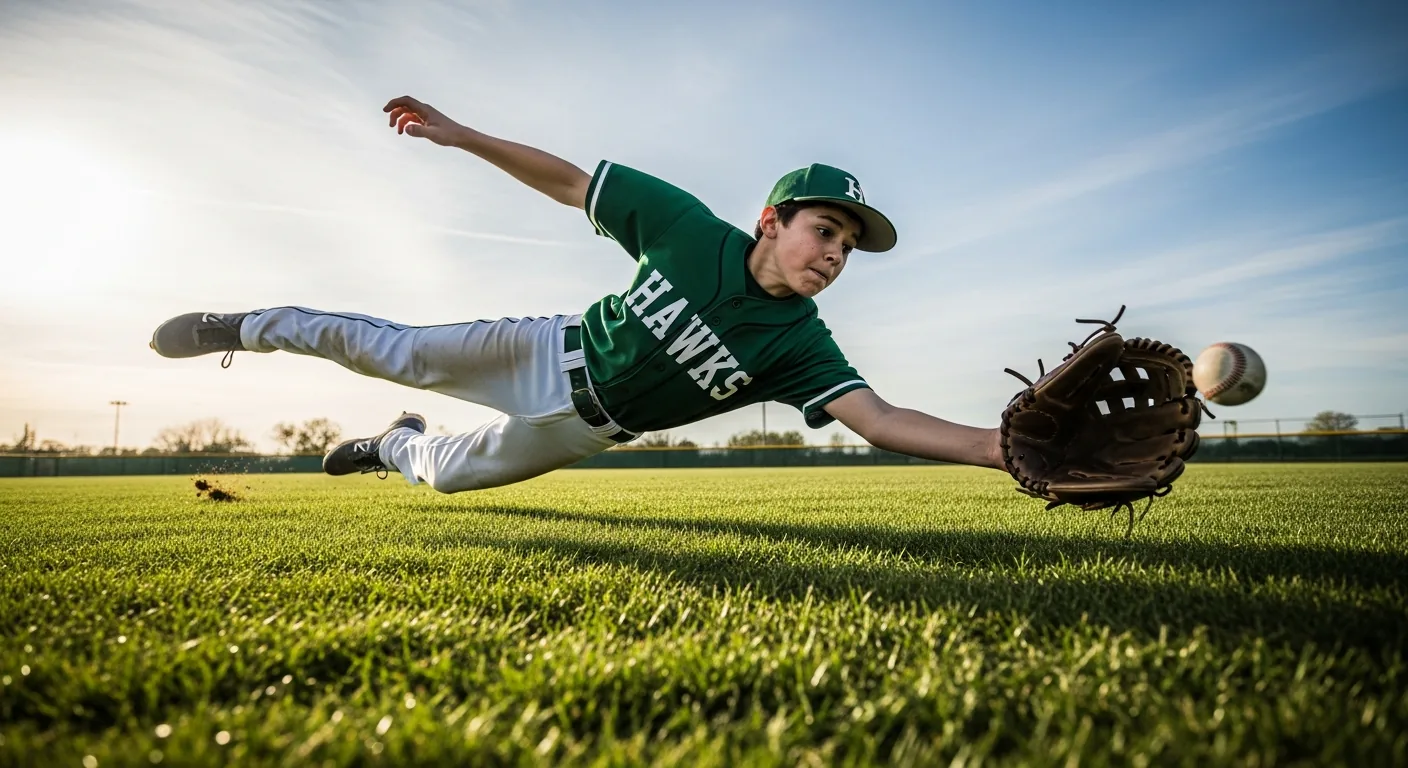
If you've ever watched a baseball game, you've probably heard the phrase "Turn two!" shouted from the dugout or stands. Understanding turn 2 baseball is essential for any player or fan—it's one of the game's most electric moments. A perfectly executed double play can completely shift the momentum of a game. But what exactly does it mean, and why did we name our entire brand after it?
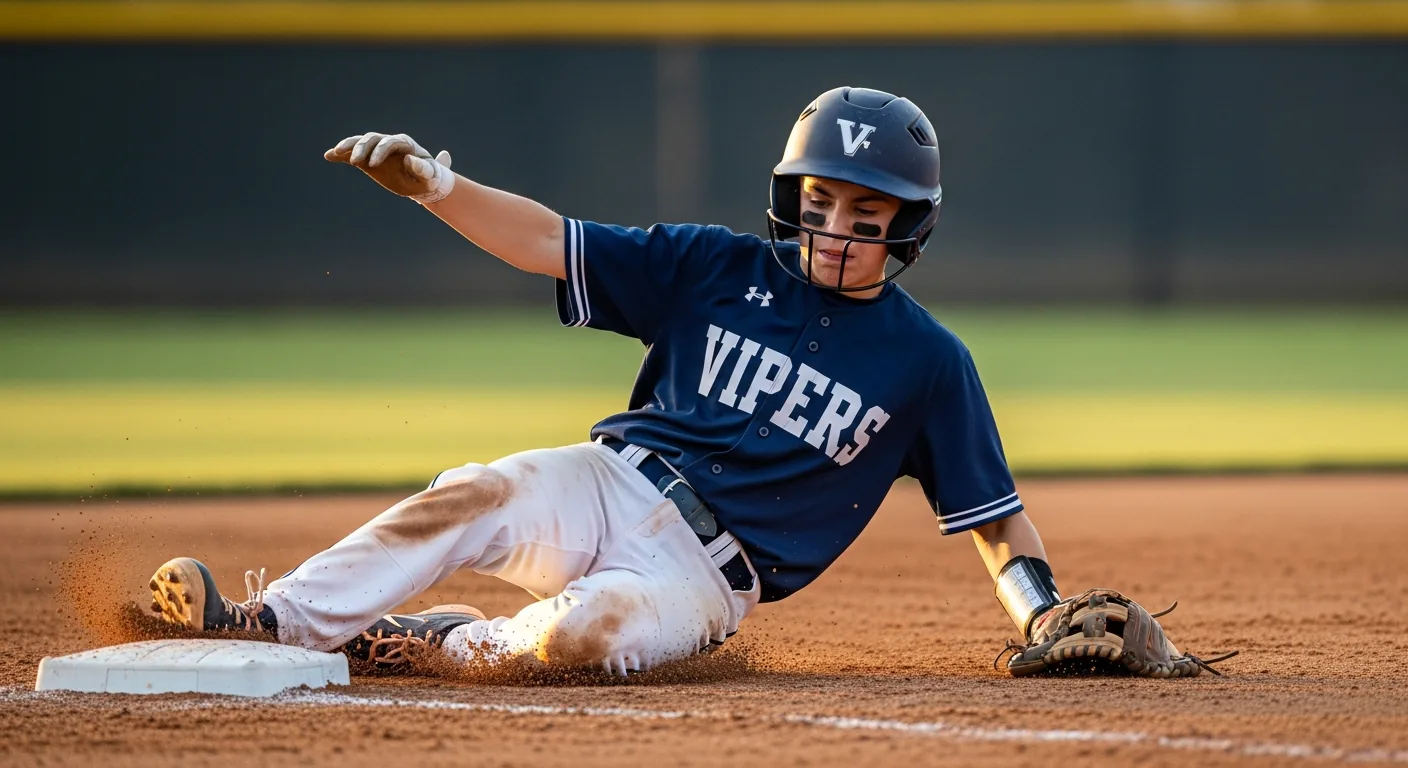
A "Turn 2" is baseball slang for a double play—specifically, the kind that goes through the middle infield. When a ground ball is hit with a runner on first base, the defense has an opportunity to get two outs on one play. The shortstop or second baseman fields the ball, throws to second base to force out the lead runner, and then the pivot man "turns two" by throwing to first to beat the batter.
The term comes from the idea of "turning" the play—the middle infielder receives the ball at second, pivots their body, and fires to first in one smooth, athletic motion. It's called "turning two" because you're converting one batted ball into two outs. Simple in concept, incredibly difficult to execute under pressure.
In official baseball notation, the most common double play is the 6-4-3: shortstop (6) to second baseman (4) to first baseman (3). The reverse, when the ball goes to the second baseman first, is a 4-6-3. There's also the 5-4-3 (third baseman starting it), the 1-6-3 (pitcher to short to first), and even the rare 3-6-3 (first baseman starts and finishes).
Turning two looks effortless when the pros do it, but there's an incredible amount of skill and anticipation involved. Before the pitch is even thrown, the middle infielders are already calculating—who's covering second on a steal attempt, where they'll position based on the batter, how fast the runner at first is.
When the ball is hit, everything happens in about four seconds. The fielder charges the ground ball while reading the hop. They field it cleanly while already knowing where their feet need to be. The throw to second has to be chest-high and on the glove side so the pivot man can catch and throw in one motion. That pivot man is catching the ball while a runner is barreling toward them at full speed—often sliding hard into the base trying to break up the play.
The throw to first has to be accurate despite all that chaos. And it has to be fast—most batters reach first base in about 4.3 seconds. That's the entire window from contact to completing the double play. Miss any piece of it, and you might not get anyone out.
Baseball history is full of legendary middle infield duos who made turning two look like art. The most famous might be Tinker to Evers to Chance—the Chicago Cubs shortstop-to-second-to-first combination from the early 1900s. A newspaper columnist wrote a poem about them in 1910, and they became so iconic that all three were inducted into the Hall of Fame together.
In modern baseball, Derek Jeter and Robinson Canó formed one of the smoothest double play combos of the 2000s. Jeter's patented jump throw from the hole, combined with Canó's silky-smooth hands at second, helped the Yankees dominate the American League. Ozzie Smith—"The Wizard"—made double plays look like magic with the Cardinals, earning 13 Gold Gloves with his acrobatic range.
Today's game features elite defenders like Francisco Lindor and Dansby Swanson who continue the tradition. But turn 2 isn't a pros-only play. Youth players learn it as one of their first advanced defensive plays, and getting it right feels incredible.
Statistically, a double play is one of the most valuable defensive outcomes in baseball. It removes two baserunners with one swing, instantly killing a rally that might have produced multiple runs. Pitchers love it—when you've got a ground ball pitcher on the mound with a good defensive infield behind him, the double play is always in play.
But beyond the numbers, there's something about turning two that captures the essence of baseball. It requires perfect teamwork—two players communicating without words, trusting each other completely. It requires mental toughness—the pivot man has to focus on the catch and throw while knowing they might get taken out. And it requires swagger—there's nothing cooler than a shortstop who can make a play in the hole and start a double play with a rocket to second.
That's what we love about it. The double play represents everything we want young players to embody: skill, confidence, teamwork, and clutch performance under pressure.
When we started this brand, we wanted a name that meant something to real baseball players and families. "Turn2" was perfect because it captures everything we believe in. It's about execution when it matters. It's about the partnership between players who trust each other. It's about making the play that changes the game.
We also love the double meaning. "Turn2" isn't just about the double play—it's about turning to your team, your community, the people who support you. Turn2 Threads is built on that idea. We're connected to Eastern NC Travel Baseball, and merchandise sales help support youth baseball programs. When you shop with us, you're helping support the next generation of players.
Right now, we're raising funds to send the NC Revenge 12U team to Cooperstown Dreams Park in summer 2026—a once-in-a-lifetime experience for these kids. That's what Turn2 means to us: showing up for each other.
THE TURN2 STYLE
Our gear is designed for young athletes who play with confidence. Electric cyan, hot magenta, midnight navy—our "Electric Diamond" color palette is as bold as a perfectly turned double play. Check out the Turn2 Threads collection for hoodies, performance tees, and accessories that let you look as good as you play.
If you're a parent or coach working with youth players, the double play is a great skill to develop once players have solid fundamentals. Start with footwork drills—the pivot at second base is all about feet. The player receiving the throw needs to hit the base with the correct foot, catch, and get out of the way of the runner in one fluid motion.
Practice the feed from shortstop and second base separately. Short-to-second requires a quick underhand flip when close, or a firm overhand throw from the hole. Second-to-short is usually a backhand flip or a quick snap throw. Both need to be accurate and at the right height—a bad feed makes turning two nearly impossible.
Most importantly, teach communication. The middle infielders need to call out who's covering second, who's backing up, and where the throw should go. That trust and communication is what separates good defensive teams from great ones.
Here's something coaches don't always talk about: the double play requires serious mental toughness. The pivot man at second base knows a runner is coming at them hard. They have to catch the ball, make the turn, and throw accurately while potentially getting hit. That takes courage.
There's also the pressure of knowing how important the play is. Bases loaded, one out, tie game—you need that double play to get out of the inning. Young players who can stay calm in those moments develop into great players. It's not just physical skill; it's focus, composure, and confidence.
That mental edge translates off the field too. Players who learn to perform under pressure in baseball carry that confidence into school, into other activities, into life. That's the kind of development we support at Turn2 Threads.
Want to learn more about the travel baseball journey? Read about what travel ball is or understand how much it costs. And when your young player is ready to step up their style game, browse our collection of drippy baseball apparel designed for kids who play with confidence.
A 6-4-3 double play is the most common type, where the shortstop (position 6) fields the ball, throws to the second baseman (position 4) covering second base, who then throws to the first baseman (position 3) to complete the double play.
The phrase "turning two" refers to the pivot motion the middle infielder makes when receiving the throw at second base, then turning their body to throw to first. They're "turning" the single play into two outs.
A typical double play is completed in about 4.0 to 4.5 seconds from bat contact to the ball hitting the first baseman's glove. Elite middle infielders can turn two even faster, which is crucial since most batters reach first base in about 4.3 seconds.
Most players start learning double play fundamentals around 10-12 years old, once they have solid fielding and throwing mechanics. Footwork drills and feeds can be introduced earlier, with full live double play practice developing as players gain strength and coordination.

$29.99
$24.99

$54.99
Whether you're in the dugout or the stands, Turn2 Threads has the gear to match your baseball lifestyle. Check out our latest drops.
Join our newsletter for gear guides, tournament tips, and exclusive drops from Turn2 Threads.
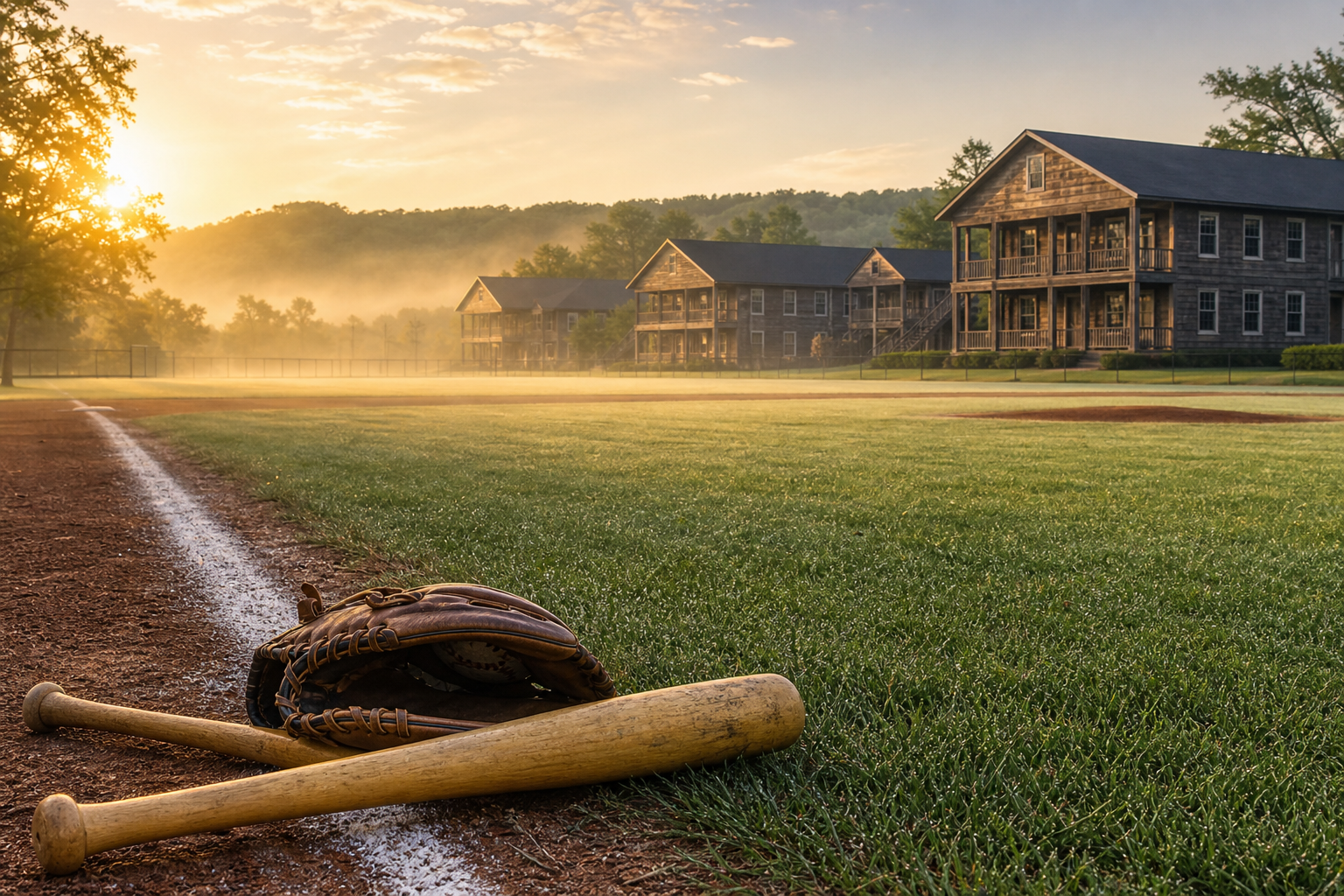
The official Cooperstown Dreams Park packing list tells you how many baseball pants to bring. It does not tell you about the group showers, the walking, or the fact that your kid will trade away his best pin on day one. Here's the packing list written by families who have already been.
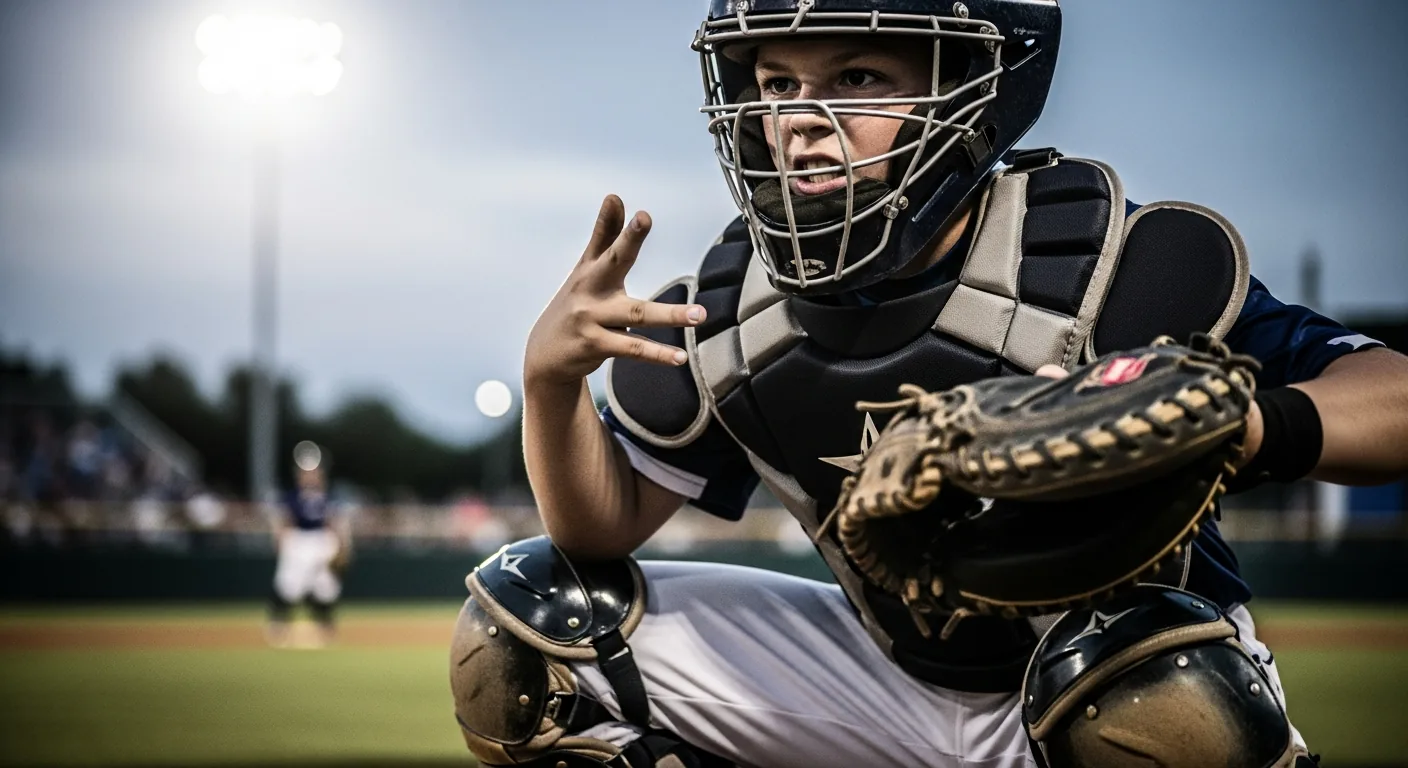
Confused when your kid talks about hitting tanks, throwing cheese, or rocking lettuce? This baseball slang dictionary helps travel ball parents understand the language of youth baseball in 2026.
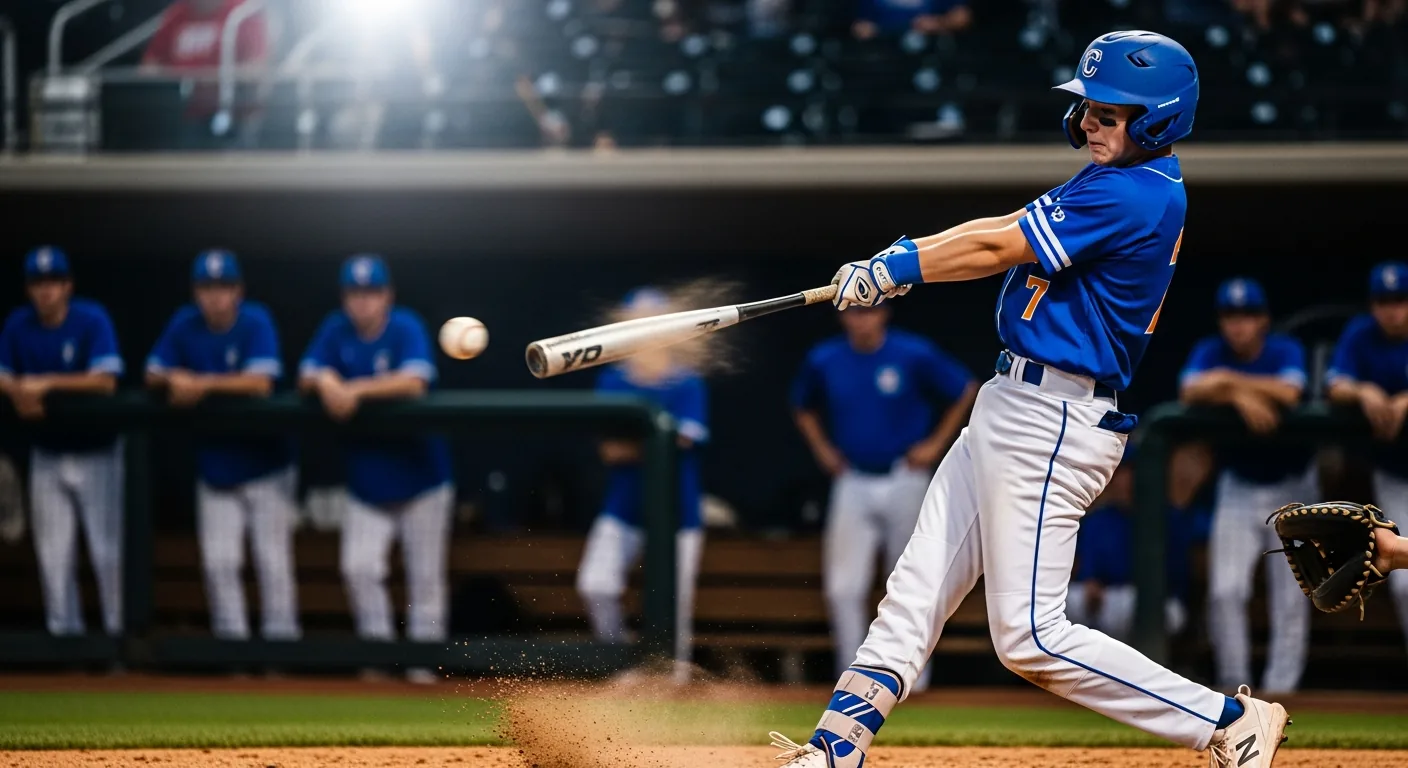
From dingers to tanks to nukes, here's what today's young hitters are saying and why exit velocity is everything.