Your cart is empty
Start shopping to add items to your cart
What to Know Before Your Child Joins a Travel Team
Turn2 Team
Turn2 Threads Team
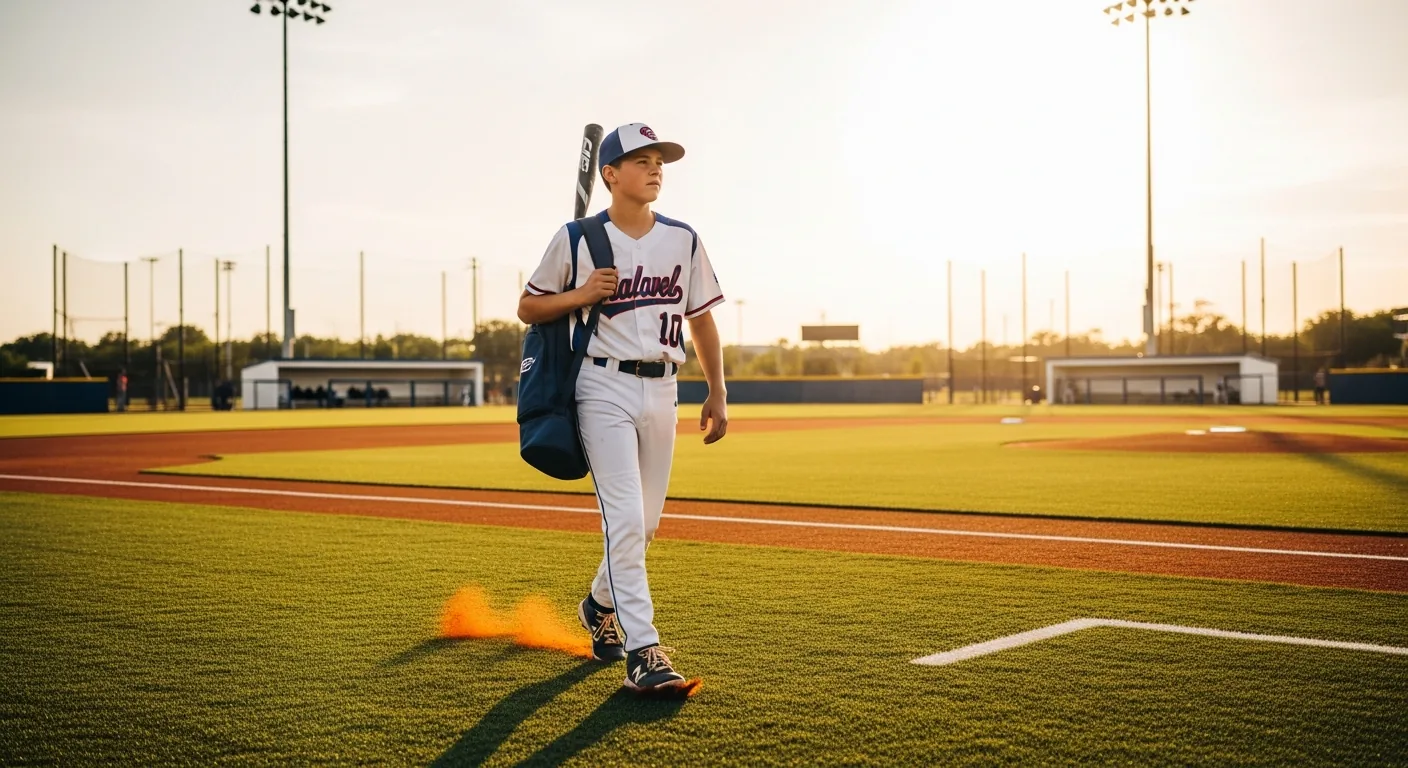
Your kid's been dominating at rec ball. The coach pulls you aside after a game and says, "Have you thought about travel ball?" Suddenly you're Googling at midnight, trying to figure out what you're getting into. We've been there. Here's the honest rundown.
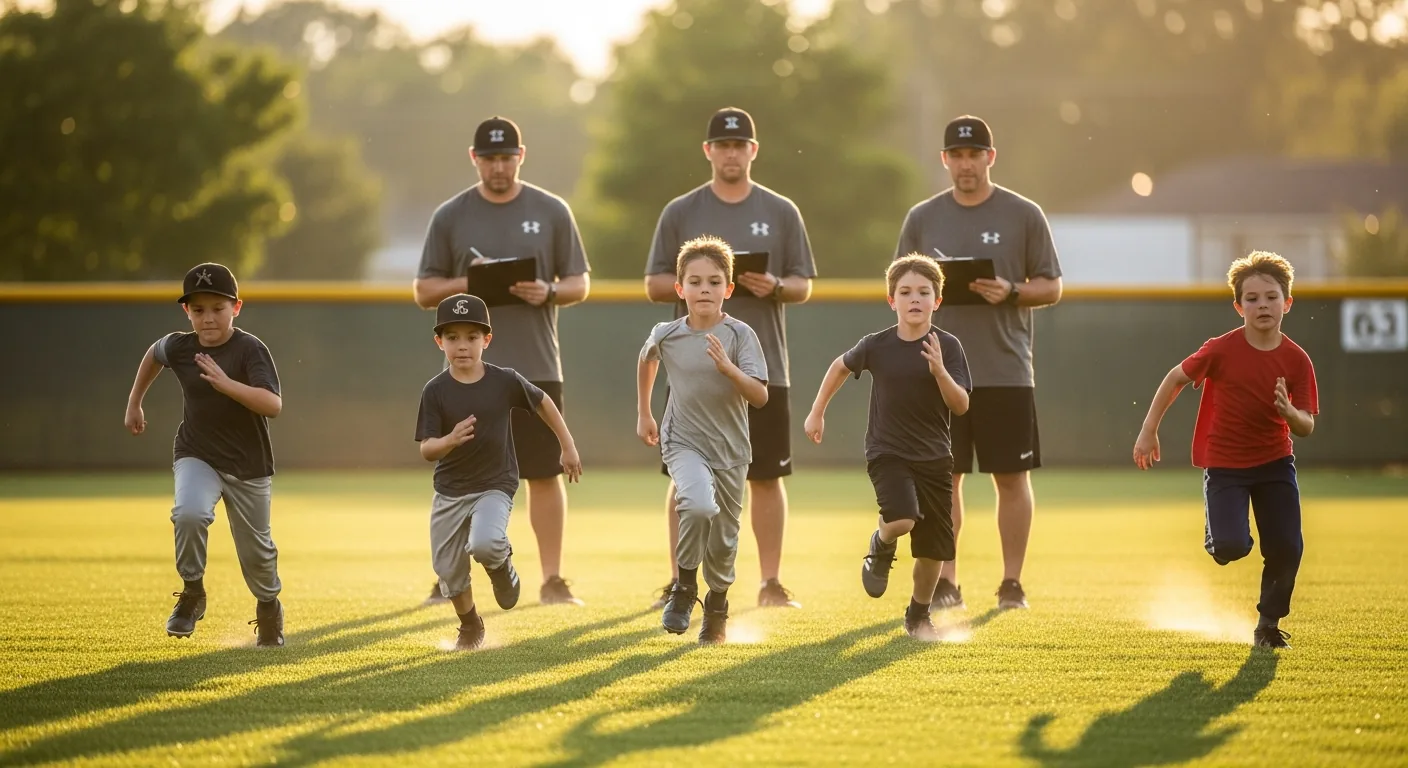
Travel baseball is competitive youth baseball where teams travel to weekend tournaments instead of playing local league games. You might hear it called "select ball" or "club ball" depending on where you live—same thing, different name.
Unlike Little League where everyone makes a team, travel ball requires tryouts. Teams cherry-pick the best players from across the area, then compete in tournaments organized by groups like USSSA, Perfect Game, and AAU. Some weekends you're playing 20 minutes away. Others, you're booking a hotel three hours down the road.
The level of play is higher. The coaching is usually better. The cost? Significantly more. And your weekends? They now belong to baseball.
Let's cut through the noise. Rec ball costs maybe $200 for the season, games are twice a week at your local park, and every kid gets equal playing time regardless of skill. It's baseball without the pressure.
Travel ball runs $2,000-$8,000+ per year when you factor in team fees, tournaments, travel, and gear. You're committing weekends from spring through summer—sometimes year-round. Playing time is earned, not guaranteed. And while rec ball coaches are usually parent volunteers doing their best, travel coaches often have real playing experience and actually know what they're teaching.
Neither is better or worse. Rec ball is perfect for kids who want to play casually while doing other activities. Travel ball is for the kid who eats, sleeps, and breathes baseball—the one who's all-in on the baseball lifestyle.
Most kids jump into travel ball between ages 10 and 12. There's a reason for that timing—Little League Majors ends at 12U, and most middle schools don't have baseball teams. Travel ball fills the gap and prepares players for high school.
Some organizations start as young as 8U, but sports scientists generally recommend against early specialization. Kids who play multiple sports until 12 or 13 often become better athletes overall—and they're less likely to burn out or get overuse injuries. The 11-year-old who just started travel ball usually catches up to the kid who's been at it since age 8.
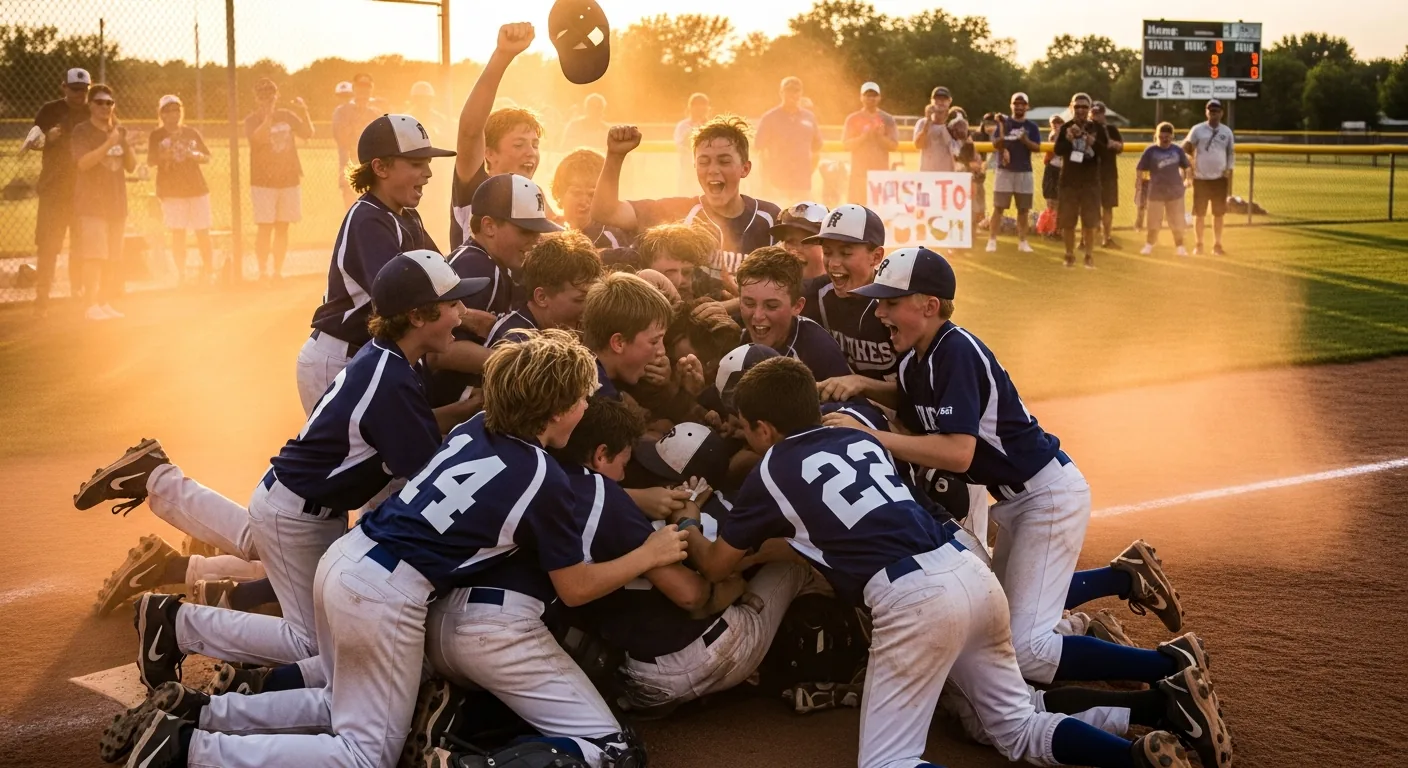
Tryouts can be nerve-wracking for kids and parents alike. Here's what typically goes down: Kids warm up and throw, then run a 60-yard dash while coaches time them. Infielders take ground balls, outfielders shag flies. Everyone gets swings in the cage or against live pitching. Pitchers and catchers show their stuff separately.
But here's what coaches are really watching: Does the kid hustle? Do they listen? How do they handle a bad throw or a swing-and-miss? A player with average skills but great attitude often gets picked over a talented kid who sulks after errors. Athleticism matters, but so does being coachable.
Travel ball families average about 47 games and 45 practices per year. Most teams compete in 5-10 weekend tournaments per season, with each tournament running 3-6 games from Friday evening through Sunday afternoon.
Fall ball starts in September after tryouts—usually lower-key, good for building team chemistry. Winter means indoor training, hitting lessons, and gym work. Spring ramps up with serious tournament play. Summer is peak season—multiple tournaments, out-of-state travel, and championship events.
Translation: say goodbye to spontaneous weekend plans. The baseball lifestyle means your family schedule now revolves around the tournament bracket. But for travel ball families, Saturday mornings at the ballpark become the new normal—and honestly, most wouldn't have it any other way.
Before signing up, ask yourself some honest questions. Is your kid the one pushing for this, or is it you? Can your family actually commit to weekend travel without it causing stress? Can you handle $3,000-$8,000 per year without financial strain? Does your kid want to play other sports too?
Travel ball is worth it for families where the kid is genuinely obsessed with baseball, the schedule works, and the money isn't a major sacrifice. It's probably not worth it if your kid mainly plays for the social aspect, wants to do multiple sports, or if the commitment would stretch your family too thin.
WE GET IT—WE'RE TRAVEL BALL FAMILIES TOO
Turn2 Threads was started by parents who've lived this life—the early morning drives, the hotel coffee, the bracket anxiety. We are connected to Eastern NC Travel Baseball, and merchandise sales help support youth baseball programs, including efforts around the NC Revenge 12U Cooperstown trip in 2026.
Want to know the real costs? Read our breakdown: How Much Does Travel Baseball Cost? Or get the honest take on whether travel ball is worth it.
Some families do it at younger ages, but schedule conflicts are common. Most travel teams expect their games to take priority. You'll have to weigh the trade-offs.
Check USSSA's team finder, search Facebook for "[Your State] Travel Baseball" groups, or ask around at your local Little League. Tryout season is typically late summer for the following year.
A quality glove, bat (check league requirements—USSSA vs. USA Baseball stamps matter), helmet, cleats, and batting gloves. Teams usually provide or sell uniforms separately.
GEAR UP FOR THE JOURNEY
Check out Turn2 Threads for baseball gear that matches your player's energy. Every purchase supports youth baseball through our nonprofit.

$44.99

$24.99
$29.99
Whether you're in the dugout or the stands, Turn2 Threads has the gear to match your baseball lifestyle. Check out our latest drops.
Join our newsletter for gear guides, tournament tips, and exclusive drops from Turn2 Threads.
The official Cooperstown Dreams Park packing list tells you how many baseball pants to bring. It does not tell you about the group showers, the walking, or the fact that your kid will trade away his best pin on day one. Here's the packing list written by families who have already been.
Confused when your kid talks about hitting tanks, throwing cheese, or rocking lettuce? This baseball slang dictionary helps travel ball parents understand the language of youth baseball in 2026.
From dingers to tanks to nukes, here's what today's young hitters are saying and why exit velocity is everything.