Your cart is empty
Start shopping to add items to your cart
What to Feed Your Kid Before, Between, and After Games So They Don't Run Out of Gas by Sunday
Turn2 Team
Turn2 Threads Team
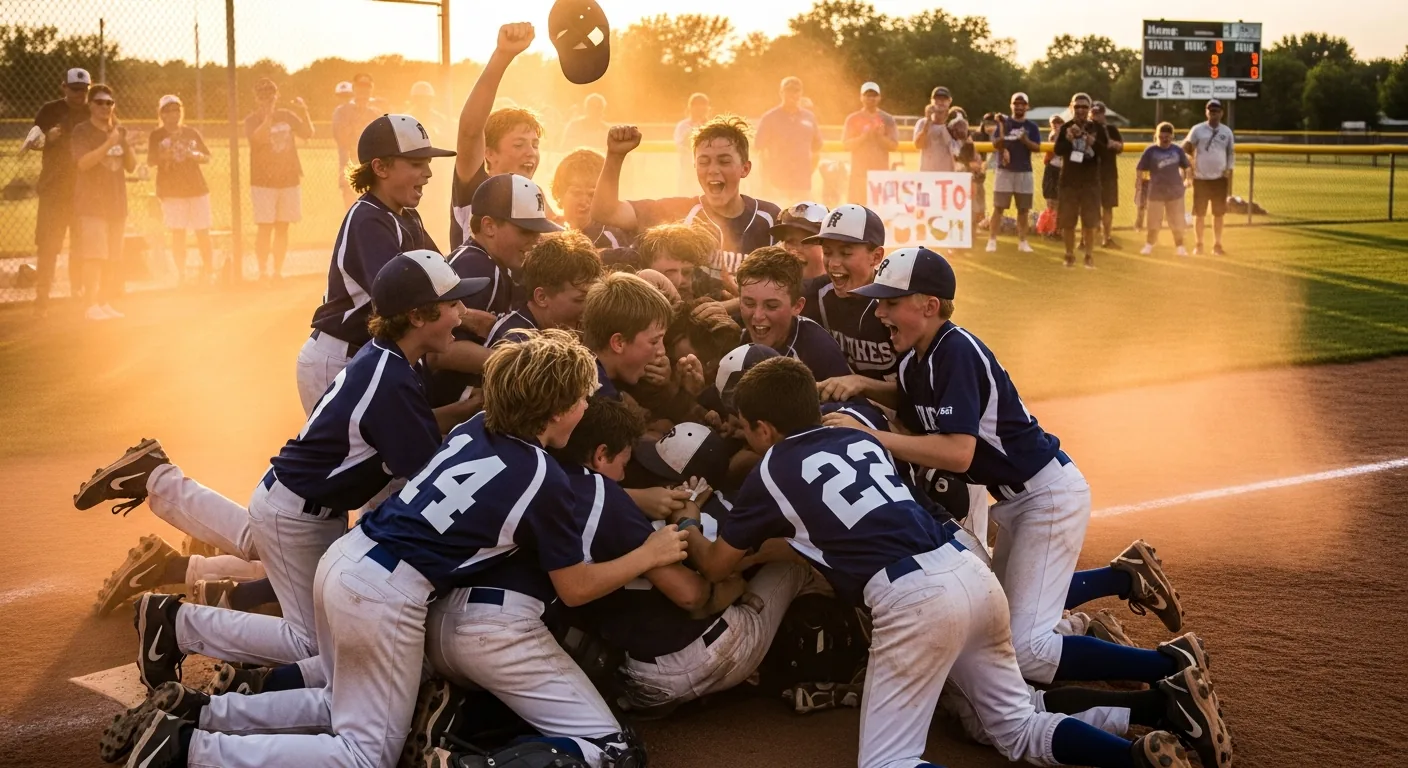
Your kid just played two games back-to-back in 90-degree heat. It's the third game of the day, they're in the batter's box, and they take a fastball right down the middle — a pitch they crushed in the first game this morning. Their legs are gone. Their bat feels like it's made of lead. Welcome to the real reason tournaments are won or lost by the fourth quarter of the day: fueling.
Every parent plans for bats, gloves, and sunscreen, but almost no one plans for the food. Yet a 2-3 game tournament day burns roughly the same energy as two full school days of running. If your kid starts the day on a sugar-filled gas-station muffin and a sports drink, they will hit a wall by game two — and it has nothing to do with talent. Here's the realistic, low-stress game-day fueling plan that works for real families, not just nutritionists.
The whole philosophy is simple: steady energy in, steady energy out. You're not building a gourmet meal plan. You're just avoiding the three big mistakes that wreck tournament days — starting on sugar, skipping breakfast entirely, and letting the snack shack become the entire game plan.
Tournament mornings are early — often a 6 AM check-in. The temptation is to grab whatever's fastest. Resist the gas-station cinnamon roll.
The rule: Protein plus slow carbs beats sugar every time. Think eggs and toast, oatmeal with peanut butter, Greek yogurt with granola, or a breakfast burrito. The protein keeps them full for hours; the slow carbs give them steady energy instead of a spike and crash.
The shortcut: If you're rushing out the door, a peanut-butter-and-banana sandwich on whole wheat, a protein bar with real ingredients, or overnight oats made the night before all beat a sugary pastry. Ten minutes of prep the night before saves the whole day.
Avoid: Donuts, sugary cereal, pastries, and juice with no food. These give a 45-minute burst of energy, then a crash right around the first inning of game two — exactly when your kid needs to be sharpest.
This is where tournament days are won or lost. Between games you have 45-90 minutes. Most families blow it on the snack shack — a hot dog, fries, a Gatorade, maybe a candy bar. That's a sugar bomb that'll leave your kid dragging by the next inning.
What to pack instead: A cooler with sandwiches (turkey, PB&J, ham and cheese), fruit (bananas, grapes, orange slices), cheese sticks, hard-boiled eggs, pretzels, and trail mix. These are easy to eat standing up, don't need to be heated, and give real energy.
The golden between-game rule: Light food now, not a heavy meal. A heavy burger-and-fries lunch sits in the stomach and makes kids slow and sleepy for the next game. You want a satisfying snack, not a food coma. Save the big meal for after the last game.
Hydration note: Water is the base, always. A sports drink is fine in the heat for electrolytes, but it's sugar — so water between, sports drink on the field, and never soda. A kid who's drinking soda between games is a kid who's going to run out of gas.
In the heat, dehydration hits fast and quiet. By the time a kid says they're thirsty, they're already behind. The symptoms look like poor performance — slow reaction time, heavy legs, bad decisions at the plate — but the real cause is they didn't drink enough.
The simple system: One bottle of water per inning is the easiest rule. Have them sip between innings rather than chugging. Pack a full water bottle in the dugout and refill it every game. In 85°+ heat, add a sports drink for electrolytes alongside the water.
The warning signs: If your kid is unusually quiet, sluggish, complaining of a headache, or their performance drops off noticeably, treat it as dehydration first before assuming it's fatigue or a slump. Water, shade, and ten minutes of rest fix more "bad games" than any pep talk.
Avoid: Letting them "catch up" on fluids by chugging a whole bottle at once. That leads to cramps. Steady sips all day beat one big gulp.
The tournament's over. Your kid just played three games. Now's the time for the real meal — and it does double duty, because it's also the start of next week's recovery.
What works: Protein plus carbs within an hour or two of the last game. Think a burger with a real bun, chicken and rice, pasta with meat sauce, or a burrito bowl. The carbs refill their energy stores; the protein rebuilds the muscle they broke down.
Keep it simple: You don't need a nutritionist's spreadsheet. One good meal with protein, carbs, and some vegetables covers it. The key is when — within a couple hours of finishing — not how fancy.
One more thing: Don't let the "reward" ice cream or fast food become a free-for-all that replaces real food. A treat is fine. A whole day of junk after an exhausting weekend isn't a reward — it's a setback for next weekend.
Forget the perfectionism. Here's the whole plan on one card:
That's it. No meal plans, no macros, no expensive supplements. Just steady fuel all day, and your kid has the legs to finish strong when the tournament is on the line.
Tournaments aren't won in the first game. They're won by the team that's still sharp in game three on a 95-degree Sunday — and that team is almost always the one that ate and hydrated right.
You can't coach talent into a kid whose tank is empty. But you can make sure the tank never runs dry. A little planning the night before turns a sluggish, cranky Sunday into a strong finish.
Pack the cooler. Skip the snack shack. Keep the water coming. That's the entire secret — and your kid will feel the difference in their legs by the last inning.
Be ready for every game day — grab gear that keeps the whole family game-day ready.
Shop Turn2 Threads Gear →
$44.99
$24.99

$24.99
Whether you're in the dugout or the stands, Turn2 Threads has the gear to match your baseball lifestyle. Check out our latest drops.
Join our newsletter for gear guides, tournament tips, and exclusive drops from Turn2 Threads.
The official Cooperstown Dreams Park packing list tells you how many baseball pants to bring. It does not tell you about the group showers, the walking, or the fact that your kid will trade away his best pin on day one. Here's the packing list written by families who have already been.
Confused when your kid talks about hitting tanks, throwing cheese, or rocking lettuce? This baseball slang dictionary helps travel ball parents understand the language of youth baseball in 2026.
From dingers to tanks to nukes, here's what today's young hitters are saying and why exit velocity is everything.