
Your cart is empty
Start shopping to add items to your cart

From tryout season to commitment — what to look for, what to ask, and how to know when it's the right fit
Turn2 Team
Turn2 Threads Team
It's tryout season, and you're staring at a list of 12 travel baseball organizations within a 90-minute drive. Some cost $1,500. Some cost $5,000. Some practice twice a week. Some practice four times. One promises "college exposure." Another promises "fun first."
How do you choose?
I've been on both sides of this decision — as a parent and as someone who works with travel ball families every day. Here's the framework I wish someone had given me before our first tryout season.
THE SHORT VERSION
Evaluate five things: coaching philosophy (development vs. winning), cost transparency (what's included vs. what's extra), travel commitment (weekends per month, distance), team culture (parent behavior, player retention), and fit for your kid (playing time expectations, skill level). The right team is the one where your kid wants to go to practice.
Before you evaluate any team, get honest about what you want out of travel baseball. There's no wrong answer — but the right team depends on your answer.
Option A: My kid loves baseball and wants to play at a higher level than rec ball. You're looking for a team with good coaching, reasonable commitment, and a focus on development. College showcase? Not a priority yet.
Option B: My kid wants to play in college. You need a program with a track record of college placements, showcase tournaments, and a coach who actively promotes players to recruiters.
Option C: My kid is elite and aiming for pro / D1. You're looking for a top-tier program with national exposure, year-round training, and a serious time commitment. Be prepared for $5,000-$15,000+ per year.
Option D: We're not sure yet. That's fine. Look for a team that offers a good development environment without locking you into a multi-year commitment.
Write down your answer. It'll save you hours of research.
The single biggest factor in your kid's travel baseball experience is the coach. A great coach on a mediocre team is better than a mediocre coach on a great team.
Questions to ask the coach:
Watch for red flags:
If possible, watch a practice before committing. You'll learn more in 30 minutes of watching than in an hour of conversation.
The team fee is just the beginning. Here's what you're actually paying for:
Ask the organization for a complete cost breakdown before you commit. A reputable program will give you a line-item budget. If they can't or won't, that's a red flag.
For a deeper breakdown, read our complete travel baseball cost guide.
Travel baseball is called "travel" for a reason. Before you sign up, know exactly what the schedule looks like:
A 3-hour drive each way for a tournament means 6 hours in the car, plus 8 hours at the ballpark. That's a 14-hour day. Do that twice a month for 6 months, and you're looking at 168 hours of travel baseball — before practices.
Be realistic about what your family can sustain. Burnout is real, and it affects parents and players alike.
Team culture is hard to measure but easy to feel. Here's what to look for:
Talk to current parents — not just the ones the organization points you to. Find a parent in the parking lot after practice and ask: "What do you wish you'd known before you joined?"
Not every good player needs to be on the top team. Not every developing player needs to be on a "developmental" team. The key is fit:
The "just right" team is the one where your kid is excited for practice, not dreading it. Where they're learning from coaches and teammates. Where they come home talking about what they worked on, not about how they sat the bench.
If you're not sure about the level, ask the coach: "Where do you see my kid fitting in the lineup and rotation?" An honest coach will tell you. A coach who dodges the question is a red flag.
Print this list. Take it to tryouts.
After you've evaluated all the data — cost, coaching, travel, culture, level — there's one more factor: how does it feel?
Does your kid light up when you talk about the team? Do they want to go to practice? Do they respect the coach? Do you feel good about the other parents?
Travel baseball is a significant investment of time, money, and emotional energy. If something feels off, it probably is. There will always be another team, another tryout, another season.
The right team is out there. Take your time, ask the questions, and trust what you see — not what the brochure promises.
Gear up with fresh apparel that's built for travel ball families. Every order supports youth baseball.
Shop Turn2 Threads Gear →Start researching 2-3 months before tryout season. Most travel baseball tryouts happen in July-August for fall teams and October-November for spring teams. Some organizations hold tryouts year-round. The best programs fill up early, so don't wait until the last minute.
Most kids start travel baseball between ages 8 and 10 (8U-10U). Some start as early as 7, but at that age, rec ball with good coaching is often a better fit. The key is readiness — if your kid loves baseball and wants more than rec ball offers, they're ready regardless of age.
Some organizations allow it, but most travel teams require a commitment that conflicts with rec ball schedules. In practice, most families choose one or the other. Travel baseball is typically a higher commitment — if your kid is doing both, they'll likely miss rec games for travel tournaments.
Most organizations have a trial period (typically 2-4 weeks). Ask about this before signing. If there's no trial period, ask about the refund policy. Reputable programs will work with you if the fit isn't right — they want happy families, not trapped ones.
Try out for 3-5 teams. This gives you options without overwhelming your kid. Make sure the tryout schedule doesn't overlap — most organizations schedule tryouts on different weekends. If your kid makes multiple teams, you can choose the best fit rather than settling for the only option.
Whether you're in the dugout or the stands, Turn2 Threads has the gear to match your baseball lifestyle. Check out our latest drops.
Join our newsletter for gear guides, tournament tips, and exclusive drops from Turn2 Threads.

The official Cooperstown Dreams Park packing list tells you how many baseball pants to bring. It does not tell you about the group showers, the walking, or the fact that your kid will trade away his best pin on day one. Here's the packing list written by families who have already been.
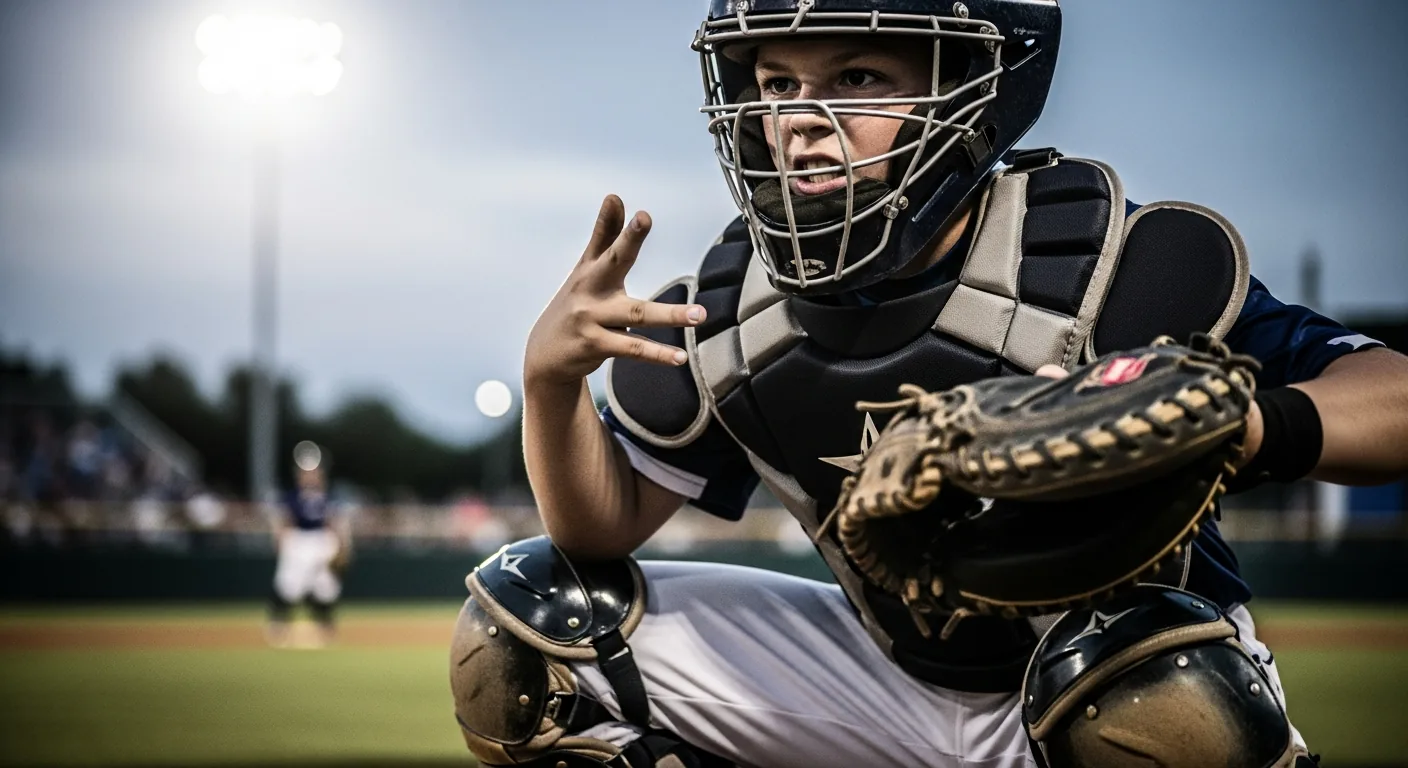
Confused when your kid talks about hitting tanks, throwing cheese, or rocking lettuce? This baseball slang dictionary helps travel ball parents understand the language of youth baseball in 2026.
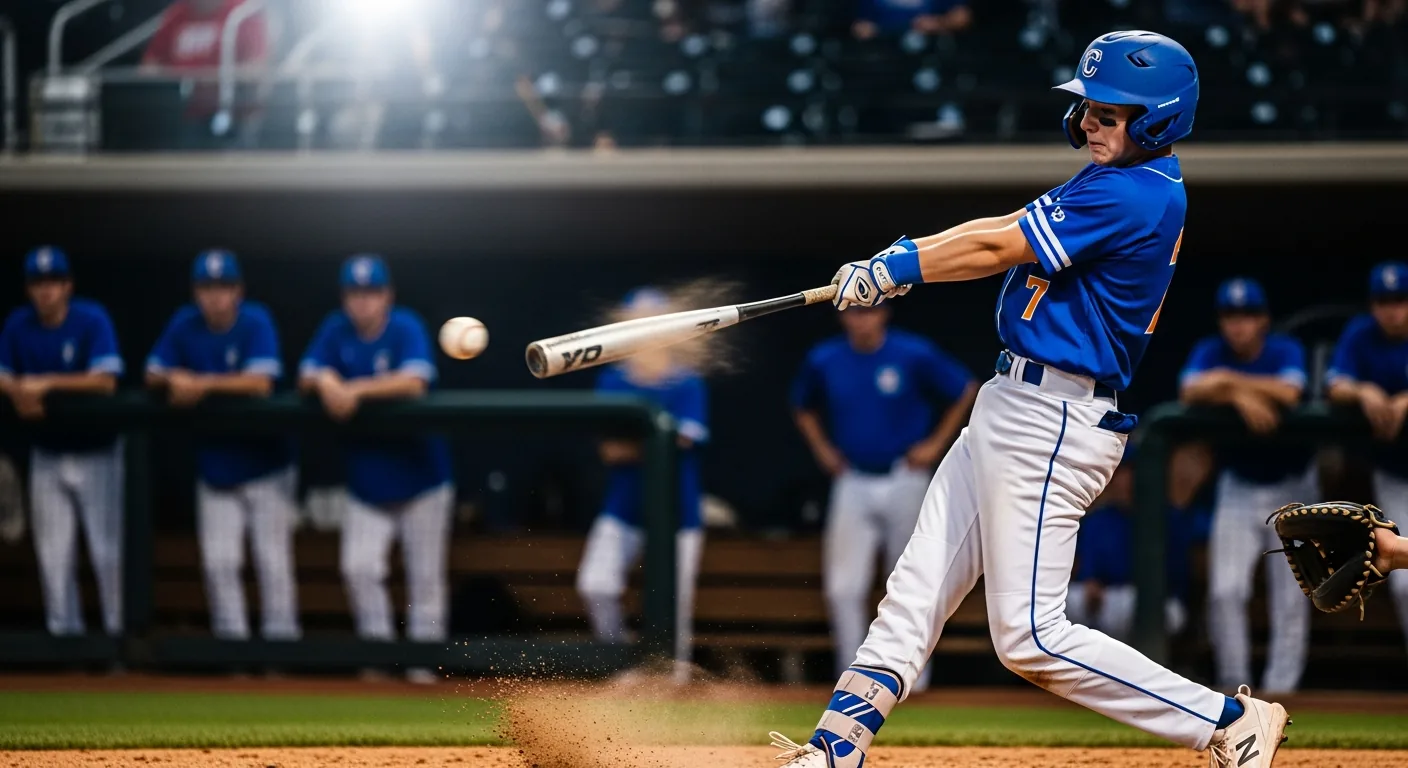
From dingers to tanks to nukes, here's what today's young hitters are saying and why exit velocity is everything.