Your cart is empty
Start shopping to add items to your cart
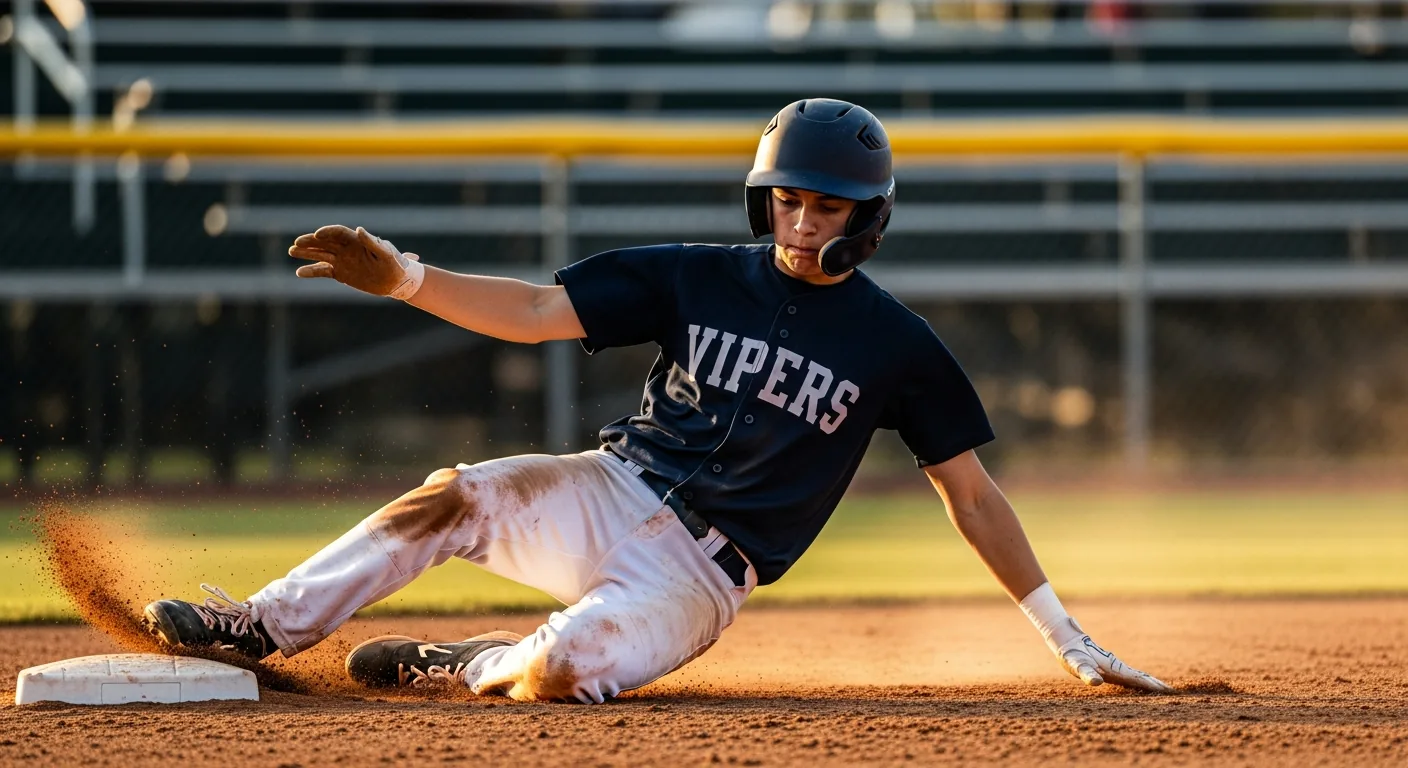
Why the months between summer tournaments and spring tryouts decide who gets better
Turn2 Team
Turn2 Threads Team
Your kid just finished a long summer of tournaments. The gear is in the garage, the cooler is empty, and there's a quiet stretch on the calendar. This is the most underrated season in travel baseball — because what families do between now and spring tryouts is where the separation really happens.
Some families treat the fall as an extended break and show up to spring tryouts slower and rustier than they left. Others run their kid ragged with fall ball every weekend and arrive burned out — or injured. The families who win are the ones who treat the off-season as a plan, not an accident. Here's how to build that plan.
The honest answer: it depends on your goal. Fall ball is lower-key than spring or summer — fewer games, less travel, more of a developmental rhythm. For a kid who's still learning the game or building confidence, it's a great low-pressure way to keep reps coming. For a kid who just played 40+ tournament games, more organized baseball might be the last thing they need.
The key question is what the off-season is for. It's for two things: getting better at baseball skills that don't wear down the arm, and letting the body actually recover. Fall ball can serve the first. It should never crowd out the second.
If you play fall ball, keep it light. One team, one weekend commitment, no travel-heavy showcase circuit. The goal is reps and fun, not another trophy season. If fall ball means driving four hours every weekend, that's not development — that's burnout with a team name.
If you sit it out, that's a valid choice too. A deliberate off-season with skill work and conditioning can produce more improvement than a fall of scattered games. Don't let the fear of falling behind talk you into overloading your kid. The ones who rest well come back stronger.
The decision rule: pick ONE organized thing for the fall — either fall ball OR a skills program, not both. The families who try to do everything end up with a tired, grumpy kid and no real gains.
You don't need to spend a fortune on private coaches to make the off-season productive. You need a plan that covers three buckets: skill development, physical conditioning, and arm rest.
Skill work (2–3 days a week). This is the time to fix mechanics, not just play games. Hitting off a tee, soft toss, fielding drills, and targeted throwing work. If you're hiring lessons, the off-season is when they pay off most — there's no game-week urgency, so the coach can actually rebuild a swing or a throwing motion.
Conditioning (2–3 days a week). Strength, speed, and body control. This is the stuff that shows up in spring as faster 60-yard dashes and fewer injuries. Bodyweight work, core, light plyometrics, and sport-specific movement. No heavy weights for young kids — the goal is athleticism and durability, not max lifts.
Arm rest (the part everyone skips). This is the most important bucket and the most neglected. If your kid pitches, the off-season is when the arm should get a real break from throwing. The Pitch Smart guidance is clear: build in 3–4 consecutive months of no throwing every year. Cross-training and conditioning are fine. Throwing is what the arm needs a vacation from.
The schedule that works: 4–5 total activity days a week, mixing skills and conditioning, with at least 1–2 full rest days and a built-in no-throw window. Consistency beats intensity. Thirty focused minutes three times a week does more than a three-hour session once a month.
The biggest trap families fall into is starting the indoor/winter season too early or too late. Start too early and your kid is sick of baseball before spring even arrives. Start too late (late January) and there isn't enough runway to make real mechanical changes before tryouts.
The sweet spot is November through February — about 12–14 weeks before spring tryouts. That's enough time for a real skill rebuild, and it ends right as the season ramps. If your kid played fall ball, they'll be ready for winter training by November. If they sat out the fall, you can ease into skill work in October.
Budget for it now, not in January. Indoor facilities, cage memberships, and hitting lessons add up fast — often $400–$2,400 for the off-season. Families who budget in October are calm; families who discover the costs in January are scrambling. Get a rough number on paper now.
The rule: your kid should enter winter training rested, not fried. If fall ball ran long and they're dragging, take a full month off first. A fresh kid in November out-trains a burned-out kid who never stopped.
Most travel organizations hold spring tryouts in July and August, but a growing number run fall tryouts in September and October for teams that play a fall season or to fill roster spots. If your kid is looking to switch teams or move up, don't assume the season is over just because summer ended.
Ask the organizations you're interested in directly whether they hold fall tryouts. The rosters you see in spring are often locked in by a fall evaluation you never heard about. Getting on a coach's radar in the fall is the single best move for a family looking to move teams.
But don't treat fall tryouts as a panic. If your kid isn't ready to switch, staying put and training smart is a perfectly good play. Moving teams for its own sake rarely helps. Know why you're trying out before you do.
The takeaway: the off-season isn't a gap in the calendar — it's the runway for next season. Fall ball or not, winter training schedule, budget, and tryout timing all get decided in the next few weeks. Plan them deliberately and your kid shows up to spring stronger, healthier, and more confident.
Rep the game your kid loves — all season long, on and off the field.
Shop Turn2 Threads Gear →
$54.99

$29.99

$29.99
Whether you're in the dugout or the stands, Turn2 Threads has the gear to match your baseball lifestyle. Check out our latest drops.
Join our newsletter for gear guides, tournament tips, and exclusive drops from Turn2 Threads.
The official Cooperstown Dreams Park packing list tells you how many baseball pants to bring. It does not tell you about the group showers, the walking, or the fact that your kid will trade away his best pin on day one. Here's the packing list written by families who have already been.
Confused when your kid talks about hitting tanks, throwing cheese, or rocking lettuce? This baseball slang dictionary helps travel ball parents understand the language of youth baseball in 2026.
From dingers to tanks to nukes, here's what today's young hitters are saying and why exit velocity is everything.