


Your cart is empty
Start shopping to add items to your cart

What to Say (and Not Say) After a Tough Loss, a Bad Game, or a Great Win
Turn2 Team
Turn2 Threads Team
You've been sitting in 95-degree heat for six hours. Your kid struck out twice, made an error in the fourth, and their team lost 8-2 in the quarterfinals. Now you're both in the car for a two-hour drive home. The silence is thick enough to cut. You want to say something helpful. But every word that comes out sounds wrong.
The car ride home is the most consequential moment in youth sports. It's where parents either build their kid up or tear them down — often without realizing it. A 2023 study in the Journal of Sport Behavior found that the quality of the post-game conversation between parent and child was the single strongest predictor of whether a young athlete would continue playing the sport the following season. Not wins. Not playing time. The car ride home.
Here's how to handle it — for every outcome, every age, every personality.
The single best thing you can do is not talk about the game for the first 30 minutes of the drive.
Your kid just spent 3-6 hours in a high-pressure environment. Their brain is still processing. If you start with questions — "Why didn't you swing at that pitch?" or "What happened on that error?" — you're asking them to analyze before they've decompressed. That's when you get one-word answers, slammed headphones, or tears.
Instead: put on music. Ask about something completely unrelated. "What do you want for dinner?" "Did you see that truck with the boat?" Let the silence be okay. When they're ready to talk, they'll talk. And if they don't talk the whole drive? That's okay too. Some kids process internally.
The rule: Don't bring up the game until they do. If they never do, let it go. The lesson was learned on the field, not in the car.
The loss is fresh. Emotions are raw. Your instinct is to fix it — to analyze, to coach, to find the silver lining. Resist it.
Your kid went 0-for-3 with two strikeouts and an error. They know. They feel worse about it than you do. The worst thing you can do is pile on with "analysis" disguised as help.
What works: Acknowledge the struggle without dwelling on it. "That was a rough day at the plate. Those things happen. You'll be fine." Then move on. If they want to talk mechanics, they'll ask. If they want to go to the batting cage tomorrow, they'll say so. Your job is to be the safe place they come back to, not the second coach they have to answer to.
What doesn't work: The post-game coaching session in the car. "You're dropping your back shoulder." "You need to keep your head in." "Let's go to the cage tonight and fix that swing." Your kid just had a bad day. The last thing they need is a performance review on the drive home. Save the mechanics talk for practice, when they've had time to reset.
Pro tip: If you absolutely must give feedback, wait until the next day. Ask permission: "Hey, I noticed something about your swing yesterday. Want me to show you what I saw?" If they say no, drop it. They'll come to you when they're ready.
This seems easy, but parents mess this up too. The most common mistake: immediately talking about what's next. "Great game! Now let's talk about next weekend's tournament." Let them enjoy the moment.
Celebrate with them. Ask what felt good. Let them relive the highlights. The confidence they build from a great game is fragile — it needs to be savored, not immediately redirected to the next challenge.
One exception: If your kid is the one who brings up what they could have done better after a win, let them. Some kids are wired that way. But don't lead with it.
The car ride home problem starts in the stands. If you're yelling at umpires, coaching from the bleachers, or visibly frustrated after every error, your kid sees it. They feel the pressure. And by the time you get to the car, the damage is already done.
Three rules for the stands:
The best travel baseball parents are the ones nobody notices in the stands. They're there. They're supportive. They're calm. And when the game ends, they give their kid a hug and say, "Let's go get lunch."
This is the hardest car ride home. Your kid says they don't want to play anymore. Your first instinct is to push back — "You've invested too much," "You're too talented to quit," "You'll regret it."
Before you respond, understand this: wanting to quit after a bad tournament weekend is normal. It doesn't mean they're done with baseball. It means they're tired, frustrated, and emotionally drained. Most kids who say "I want to quit" on Sunday are back at practice on Tuesday.
What to do: Acknowledge their feelings. "I hear you. This was a hard weekend. You don't have to decide anything right now." Give them a week. If they still feel the same way after a week of normal practice and no games, then have a real conversation about it. But never make a decision about quitting in the emotional aftermath of a loss.
The research backs this up: The Aspen Institute's Project Play found that the #1 reason kids quit sports is "it's not fun anymore." And the #1 reason it stops being fun? Parental pressure. The car ride home is where that pressure lives or dies.
Your kid will forget most of the games they play. They'll forget the scores, the stats, the tournament results. But they will remember how you made them feel in the car on the way home.
Did you make them feel like their worth was tied to their batting average? Or did you make them feel like you loved watching them play, regardless of the score?
The car ride home is where travel baseball parents earn their stripes. Not in the stands. Not in the checkbook. In the quiet moments after the game, when your kid is vulnerable and looking to you for a signal about who they are and what this all means.
Give them the right signal. The game will take care of itself.
From the bleachers to the car ride home — wear something that shows you're part of the travel baseball family.
Shop Turn2 Threads Gear →Whether you're in the dugout or the stands, Turn2 Threads has the gear to match your baseball lifestyle. Check out our latest drops.
Join our newsletter for gear guides, tournament tips, and exclusive drops from Turn2 Threads.

The official Cooperstown Dreams Park packing list tells you how many baseball pants to bring. It does not tell you about the group showers, the walking, or the fact that your kid will trade away his best pin on day one. Here's the packing list written by families who have already been.
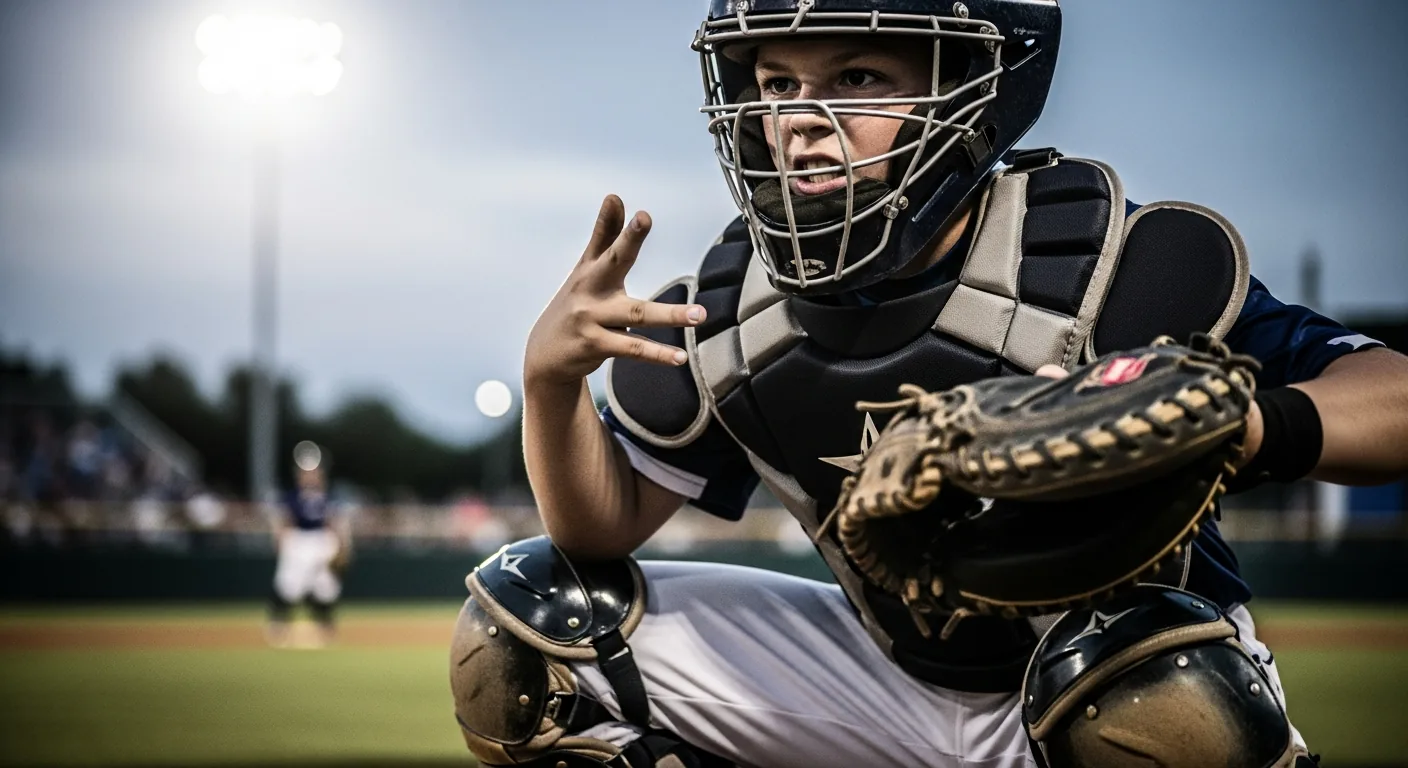
Confused when your kid talks about hitting tanks, throwing cheese, or rocking lettuce? This baseball slang dictionary helps travel ball parents understand the language of youth baseball in 2026.
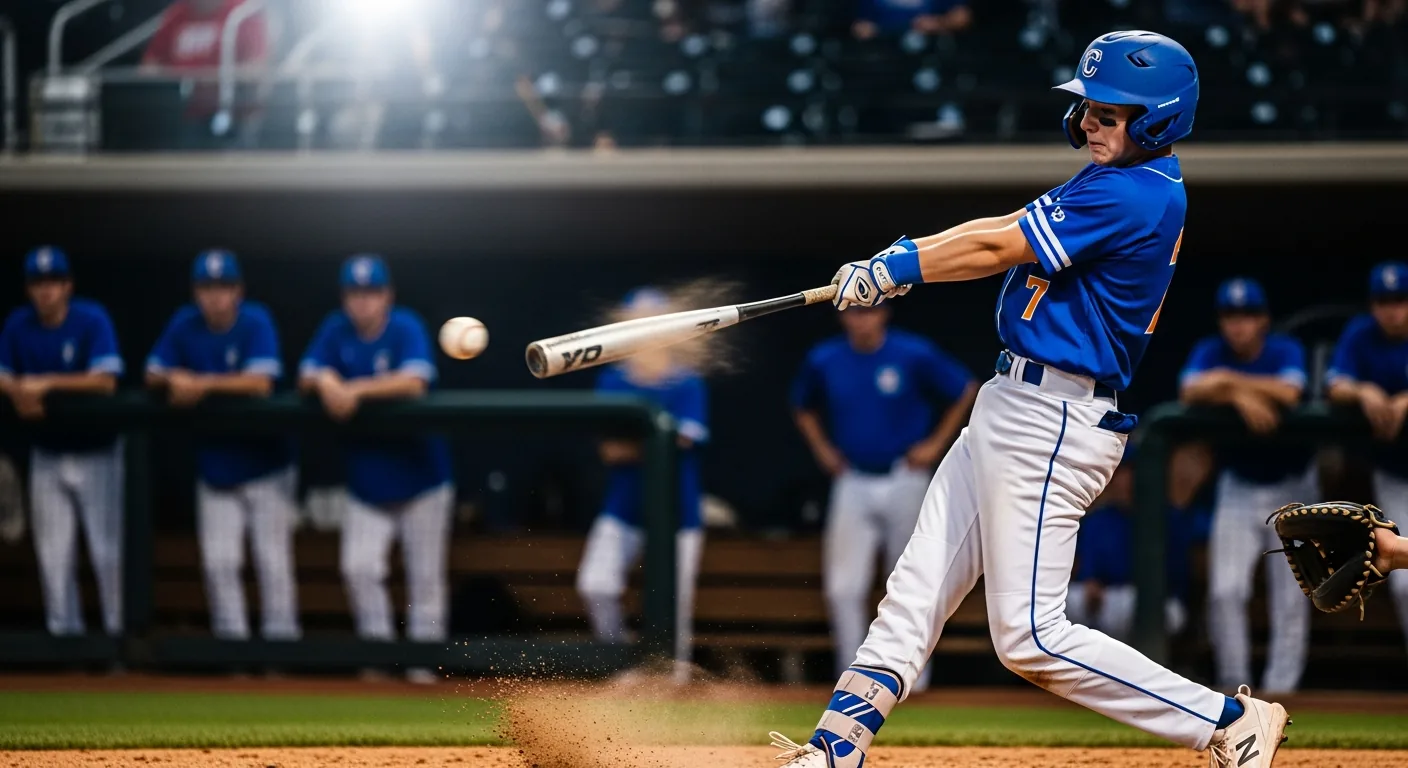
From dingers to tanks to nukes, here's what today's young hitters are saying and why exit velocity is everything.