


Your cart is empty
Start shopping to add items to your cart
How to keep grades up, burnout down, and your kid thriving through the school-year season
Turn2 Team
Turn2 Threads Team
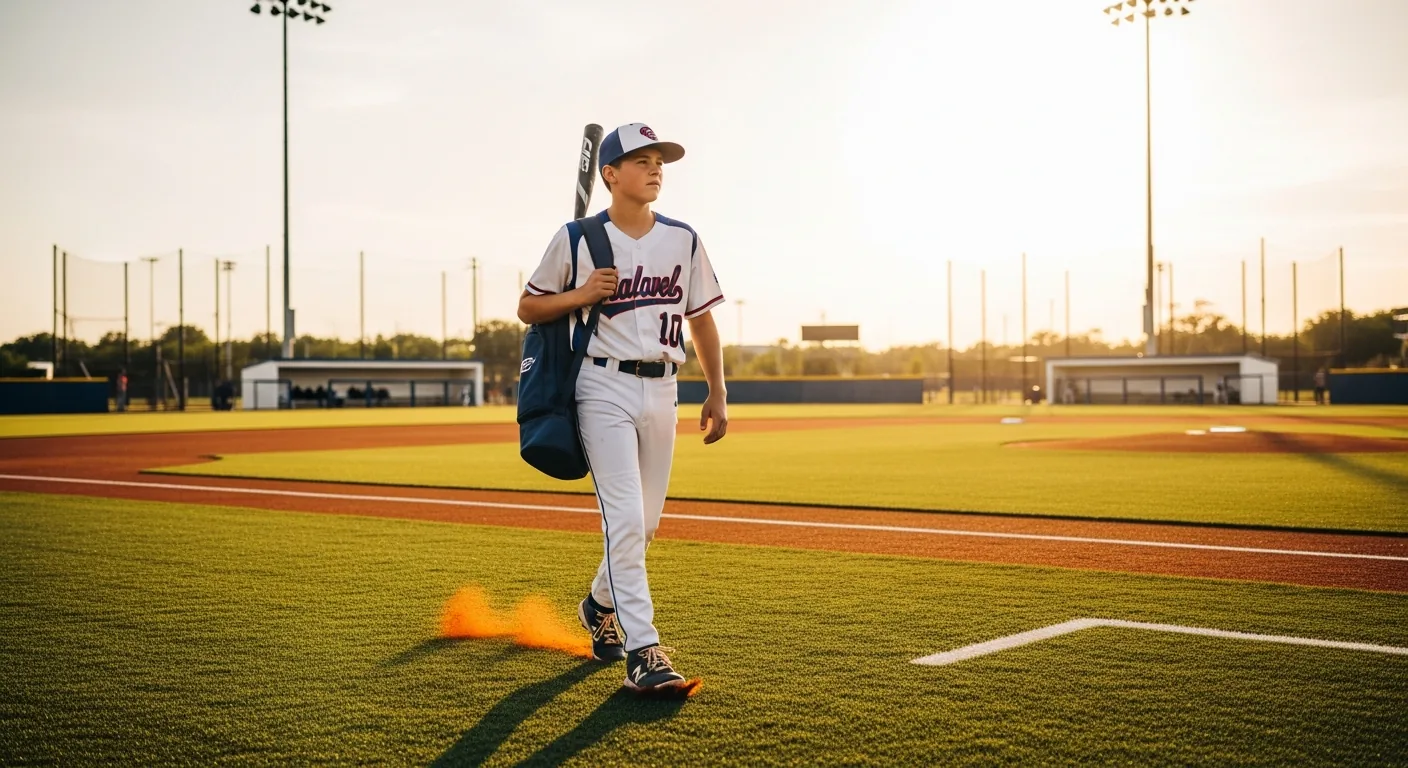
School is back in session, and for travel baseball families that means the hardest balancing act of the year is here. From late August through November, your kid is juggling homework, fall practices, weekend tournaments, and the start of a new school year — all at once. This is the stretch where most families quietly drop the ball, on grades or on baseball, and neither has to happen.
The good news: you don't have to choose between a good student and a good ballplayer. The families who manage both well aren't more organized by nature — they have a system. They tell teachers and coaches the same story, they protect school days instead of apologizing for them, and they make sure the kid isn't carrying the whole mental load. Here's the playbook that works.
The single highest-leverage move is communication — and it has to be proactive. The families who struggle are the ones who go quiet and then scramble when a teacher is surprised by a missed Friday or a coach is surprised by a missed practice. Get ahead of it on day one.
Email every teacher in the first two weeks of school. One short, professional note: your kid's name, the fact that they play travel baseball, that there will be a handful of days missed for tournaments, and that you'll give advance notice with work sent ahead whenever possible. Teachers are remarkably accommodating when they're told early instead of surprised later. This one email saves a dozen awkward conversations.
Do the same with the coach. Make sure the coach knows your kid's academic load and that school comes first. Most good coaches already feel this way — they don't want a player who's stressed about failing a class. When both sides know the same facts, nobody gets blindsided.
The rule: communicate before there's a problem, not after. One proactive email in August prevents reactive damage control in October.
There's a difference between missing school for a major tournament and missing school as a routine. Fall travel baseball should be built around the school week, not the other way around. When your team treats Friday classes as optional every single weekend, the academics are the first thing to suffer — and it's almost always silent until report card time.
Set a clear family rule about school-day travel. For most families it looks like: weekends and the occasional Thursday/Friday for a championship or a can't-miss event, but no routine weekday travel during the school year. Decide this as a family and tell the coach upfront. A coach who knows your boundaries is easy to work with; a coach who discovers them mid-season is not.
When a school day is missed, plan the catch-up before you leave. The night before, get the list of assignments and any work that can be done ahead. A kid who misses Friday but has the weekend homework already mapped out lands back Monday without the stress spiral. The planning is the difference between "we missed a day" and "we fell behind."
Burnout in travel baseball kids is rarely about playing too much baseball. It's about having zero predictable rhythm. A kid who never knows when homework fits, when they'll eat, or when they'll sleep is a kid who runs on stress. The fix is a boring, repeatable weekday template.
Protect the same homework window every single day — right after school, before practice, not after a 9-hour tournament day. A predictable two-hour block where homework happens first protects grades without negotiation. Then practice. Then dinner. Then bed at a set time. Even on light days, keep the template — consistency is the whole point.
Guard one full unscheduled day a week. Whether it's a true rest day or a "family does whatever" day, a kid who never gets an unprogrammed hour will eventually check out. The best travel players aren't the ones who train the most — they're the ones who sustain it without resentment.
Watch the warning signs. If your kid is dreading practice, sleeping poorly, or letting homework slide repeatedly, that's not laziness — that's overload. Catch it early and cut something back. Better to drop a fall weekend than to lose the kid's love of the game by spring.
The families that manage both school and baseball best put the kid in charge of the schedule. Not the parent who owns it and stresses alone — the player who learns to plan their own week. That's the real life skill travel ball is supposed to teach.
Have your kid lay out their own week — homework, practices, games, rest — and review it together. Ask questions instead of giving orders: "Where does the history project fit?" "When are you getting ahead for the weekend trip?" A kid who plans their own schedule internalizes the balance instead of resenting a parent-imposed one.
The payoff is bigger than baseball. College coaches — and colleges themselves — are looking for student-athletes who can manage their own time. A kid who learns to juggle homework and practice in middle school is a kid who shows up to college recruiting already knowing how to handle the load. That's the version of the sport that's genuinely worth the investment.
Rep the game your kid loves, all season long, on and off the field.
Shop Turn2 Threads Gear →Whether you're in the dugout or the stands, Turn2 Threads has the gear to match your baseball lifestyle. Check out our latest drops.
Join our newsletter for gear guides, tournament tips, and exclusive drops from Turn2 Threads.
The official Cooperstown Dreams Park packing list tells you how many baseball pants to bring. It does not tell you about the group showers, the walking, or the fact that your kid will trade away his best pin on day one. Here's the packing list written by families who have already been.

Confused when your kid talks about hitting tanks, throwing cheese, or rocking lettuce? This baseball slang dictionary helps travel ball parents understand the language of youth baseball in 2026.

From dingers to tanks to nukes, here's what today's young hitters are saying and why exit velocity is everything.